English
- English
- Español
- Português
- русский
- Français
- 日本語
- Deutsch
- tiếng Việt
- Italiano
- Nederlands
- ภาษาไทย
- Polski
- 한국어
- Svenska
- magyar
- Malay
- বাংলা ভাষার
- Dansk
- Suomi
- हिन्दी
- Pilipino
- Türkçe
- Gaeilge
- العربية
- Indonesia
- Norsk
- تمل
- český
- ελληνικά
- український
- Javanese
- فارسی
- தமிழ்
- తెలుగు
- नेपाली
- Burmese
- български
- ລາວ
- Latine
- Қазақша
- Euskal
- Azərbaycan
- Slovenský jazyk
- Македонски
- Lietuvos
- Eesti Keel
- Română
- Slovenski
- मराठी
- Srpski језик

How Does an Integrated Cabinet Improve Efficiency and Infrastructure Management?
Article Summary
An Integrated Cabinet is an advanced infrastructure solution that consolidates multiple subsystems such as power distribution, cooling, monitoring, and equipment management into a single enclosure. This design significantly simplifies deployment, improves operational efficiency, and reduces infrastructure complexity for industries such as telecommunications, data centers, industrial automation, and smart facilities.
This article explains how an Integrated Cabinet works, why it is increasingly adopted in modern infrastructure environments, and how businesses can choose the right solution to solve common operational challenges. The guide also highlights key product parameters, application scenarios, and frequently asked questions to help decision-makers better understand the advantages of integrated cabinet technology.
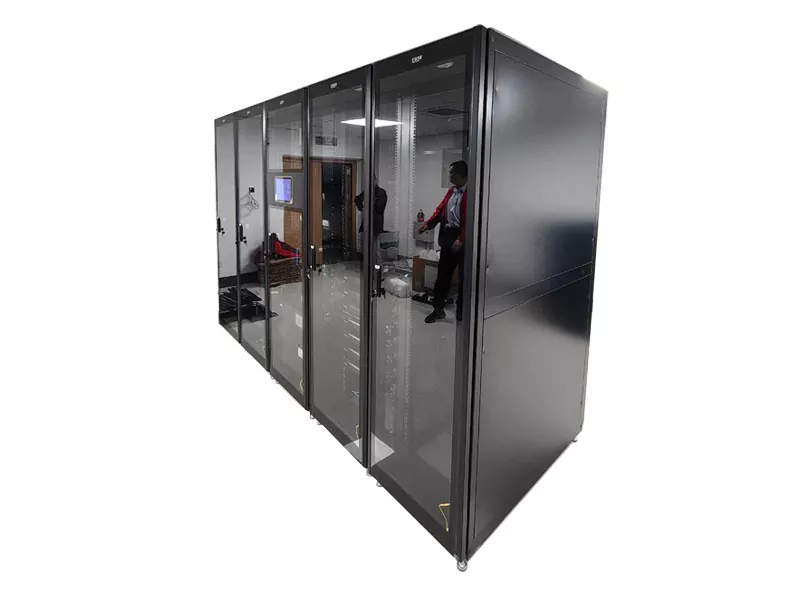
Table of Contents
- Understanding the Integrated Cabinet Concept
- How an Integrated Cabinet Works
- Key Components of an Integrated Cabinet
- Common Challenges Solved by Integrated Cabinets
- Typical Product Parameters
- Major Advantages for Modern Infrastructure
- Industry Applications
- How to Choose the Right Integrated Cabinet
- Frequently Asked Questions
Understanding the Integrated Cabinet Concept
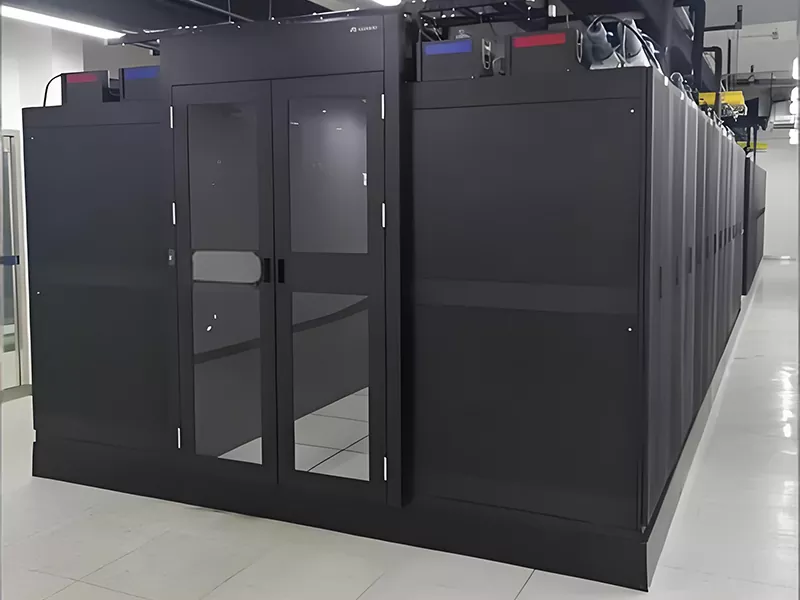
An Integrated Cabinet is a highly engineered enclosure that consolidates multiple infrastructure systems into one compact and organized unit. These cabinets typically combine power supply systems, environmental control, monitoring modules, cable management, and security functions within a standardized framework.
Instead of deploying separate devices and constructing a complex infrastructure environment, organizations can install a single cabinet containing pre-configured components. This approach reduces engineering complexity and accelerates deployment timelines.
Integrated cabinets are commonly used in telecommunications sites, edge computing nodes, industrial automation environments, and micro data centers where space efficiency and operational reliability are critical.
Modern integrated cabinet systems are designed to support modular expansion and intelligent monitoring, allowing administrators to manage multiple subsystems through centralized interfaces. This integrated architecture significantly simplifies system management while improving equipment protection and operational stability. :contentReference[oaicite:0]{index=0}
How an Integrated Cabinet Works
The operational principle of an integrated cabinet is based on combining several infrastructure modules into a unified system architecture. All equipment inside the cabinet is carefully arranged to ensure optimal power distribution, cooling efficiency, and system monitoring.
The typical workflow includes the following steps:
- Power distribution units supply stable electrical power to internal equipment.
- Cooling systems regulate temperature to maintain optimal performance.
- Monitoring sensors track environmental parameters such as humidity and heat.
- Security systems control access and detect abnormal events.
- Centralized management software provides real-time operational visibility.
Because these components are factory-installed and tested, installation on-site becomes significantly easier and faster compared with traditional infrastructure deployment methods. :contentReference[oaicite:1]{index=1}
Key Components of an Integrated Cabinet
Although configurations may vary depending on application scenarios, most integrated cabinets contain several essential subsystems designed to support stable and efficient equipment operation.
| Component | Function |
|---|---|
| Power Distribution System | Delivers stable electricity and manages power allocation to internal devices. |
| Cooling System | Maintains safe operating temperatures and prevents overheating. |
| Monitoring System | Tracks temperature, humidity, power usage, and system health. |
| Cable Management | Organizes power and communication wiring for efficiency and safety. |
| Security System | Includes access control, alarms, and surveillance integration. |
| Structural Enclosure | Protects equipment from dust, physical damage, and environmental hazards. |
Many advanced integrated cabinets also include fire protection modules, battery systems, and remote monitoring capabilities for improved reliability and maintenance efficiency.
Common Challenges Solved by Integrated Cabinets
Organizations deploying network infrastructure or edge computing equipment often face several operational challenges. Integrated cabinets address these issues effectively through design optimization.
- Limited space: Integrated cabinets consolidate multiple systems into one compact enclosure.
- Complex installation: Pre-configured designs reduce on-site construction requirements.
- High operational costs: Optimized cooling and power systems improve energy efficiency.
- Difficult monitoring: Centralized monitoring enables real-time operational insights.
- Equipment protection: Sealed cabinet structures protect devices from dust and environmental risks.
By solving these challenges, integrated cabinets enable organizations to deploy reliable infrastructure even in environments where traditional data center construction is impractical.
Typical Product Parameters
When evaluating integrated cabinet solutions, buyers should review technical specifications carefully to ensure compatibility with their infrastructure requirements.
| Parameter | Typical Specification |
|---|---|
| Cabinet Dimensions | 600 × 1200 × 2000 mm (varies by model) |
| Rack Capacity | Up to 32U or higher |
| Input Power | 220V AC / 50–60 Hz |
| Operating Temperature | 0℃ – 45℃ |
| Humidity Range | 10% – 95% RH |
| Protection Level | IP5X or customized |
These parameters can vary depending on the application environment and customization requirements.
Major Advantages for Modern Infrastructure
Integrated cabinets have become widely adopted due to their ability to simplify complex infrastructure deployments. Several advantages make them especially valuable in modern IT and telecommunications environments.
-
Rapid deployment
Pre-installed components significantly reduce installation time. -
Reduced operational cost
Optimized cooling and power management improve energy efficiency. -
Centralized monitoring
All systems can be monitored through a single management interface. -
Improved reliability
Factory-tested systems reduce the risk of configuration errors. -
Scalable architecture
Modular designs allow easy expansion when infrastructure needs grow.
These advantages make integrated cabinets particularly suitable for edge data centers, telecom base stations, and distributed computing environments.
Industry Applications
Integrated cabinets are widely used across multiple industries where reliable equipment operation and compact infrastructure deployment are essential.
- Telecommunications base stations
- Edge computing facilities
- Industrial automation systems
- Smart transportation infrastructure
- Energy and power monitoring systems
- Retail and financial service branches
Their compact design allows them to operate in locations where traditional data center facilities would be impractical or too expensive.
How to Choose the Right Integrated Cabinet
Selecting the correct integrated cabinet requires careful evaluation of several technical and operational factors.
- Equipment capacity requirements
- Cooling efficiency and airflow design
- Power distribution reliability
- Environmental protection rating
- Remote monitoring capability
- Customization flexibility
Working with an experienced manufacturer can help ensure that the integrated cabinet design aligns with the specific needs of the project.
Temery provides customized integrated cabinet solutions designed to meet the requirements of modern communication networks and intelligent infrastructure deployments.
Frequently Asked Questions
What is the difference between a traditional cabinet and an integrated cabinet?
A traditional cabinet mainly serves as a physical enclosure for equipment, while an integrated cabinet combines multiple subsystems such as power supply, cooling, monitoring, and security into a single unified system.
Are integrated cabinets suitable for outdoor environments?
Yes. Many integrated cabinet models are specifically designed for outdoor deployment and include weatherproof structures, temperature control systems, and environmental protection features.
Can integrated cabinets support remote monitoring?
Most modern integrated cabinets include intelligent monitoring systems that allow administrators to track temperature, humidity, power usage, and system status remotely.
Do integrated cabinets reduce installation time?
Yes. Because components are pre-installed and factory-tested, deployment can often be completed much faster compared with building infrastructure from multiple independent systems.
Conclusion
Integrated cabinet technology represents a significant advancement in infrastructure deployment, enabling organizations to consolidate critical systems into a compact, efficient, and easily manageable solution. By combining power management, cooling, monitoring, and security features within a single enclosure, integrated cabinets reduce complexity while improving operational reliability.
For organizations seeking efficient and scalable infrastructure solutions, integrated cabinet systems provide a practical approach to modern equipment management. Temery offers advanced integrated cabinet designs tailored to meet the requirements of telecommunications, industrial systems, and intelligent infrastructure projects.
If you are looking for a reliable integrated cabinet solution tailored to your project requirements, contact us today to learn how Temery can support your infrastructure deployment with high-performance and customized solutions.
Related News
- The Quiet Workhorse of Critical Infrastructure: Why Monitoring Console Hardware Deserves Its Own Upgrade Cycle
- Will Tomorrow's Monitoring Console Be Voice-Activated and Predictive Instead of Just Displaying Numbers?
- Advantages of modular computer rooms
- Key Functions of Operation Consoles
- How Can You Choose the Right Network Cabinet for Your Business?
- How Outdoor Cabinets Improve Your Equipment Management
Leave me a message