English
- English
- Español
- Português
- русский
- Français
- 日本語
- Deutsch
- tiếng Việt
- Italiano
- Nederlands
- ภาษาไทย
- Polski
- 한국어
- Svenska
- magyar
- Malay
- বাংলা ভাষার
- Dansk
- Suomi
- हिन्दी
- Pilipino
- Türkçe
- Gaeilge
- العربية
- Indonesia
- Norsk
- تمل
- český
- ελληνικά
- український
- Javanese
- فارسی
- தமிழ்
- తెలుగు
- नेपाली
- Burmese
- български
- ລາວ
- Latine
- Қазақша
- Euskal
- Azərbaycan
- Slovenský jazyk
- Македонски
- Lietuvos
- Eesti Keel
- Română
- Slovenski
- मराठी
- Srpski језик

How Does a Distribution Cabinet Ensure Safe and Efficient Power Distribution?
Article Summary
A Distribution Cabinet is a central component of modern electrical systems used in industrial facilities, commercial buildings, and infrastructure projects. It receives electrical power from a primary source and distributes it safely to different circuits while protecting equipment from overloads and electrical faults. Properly designed cabinets improve operational safety, simplify maintenance, and enhance overall energy management. This article explains how distribution cabinets work, their key components, advantages, selection considerations, and practical applications for modern electrical systems.
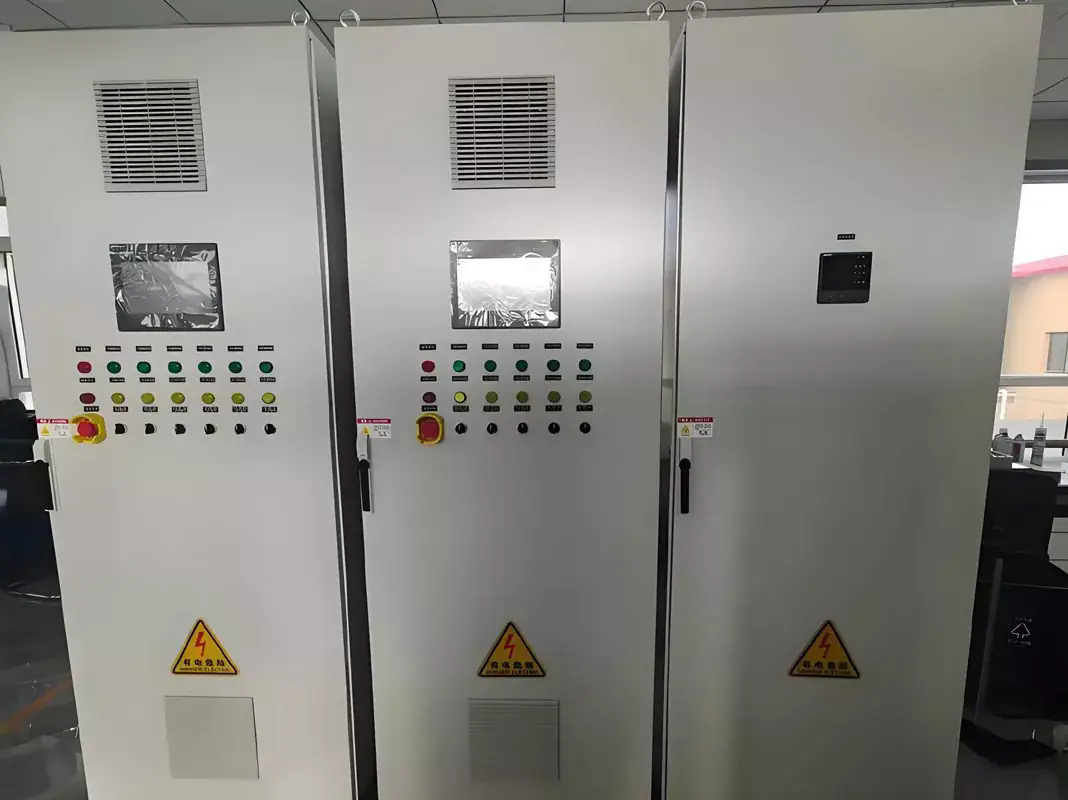
Table of Contents
- 1. Introduction to Distribution Cabinets
- 2. How a Distribution Cabinet Works
- 3. Key Components of a Distribution Cabinet
- 4. Main Benefits for Industrial and Commercial Facilities
- 5. Typical Applications and Installation Environments
- 6. Important Factors When Choosing a Distribution Cabinet
- 7. Maintenance and Safety Practices
- 8. Frequently Asked Questions
- 9. Conclusion
1. Introduction to Distribution Cabinets
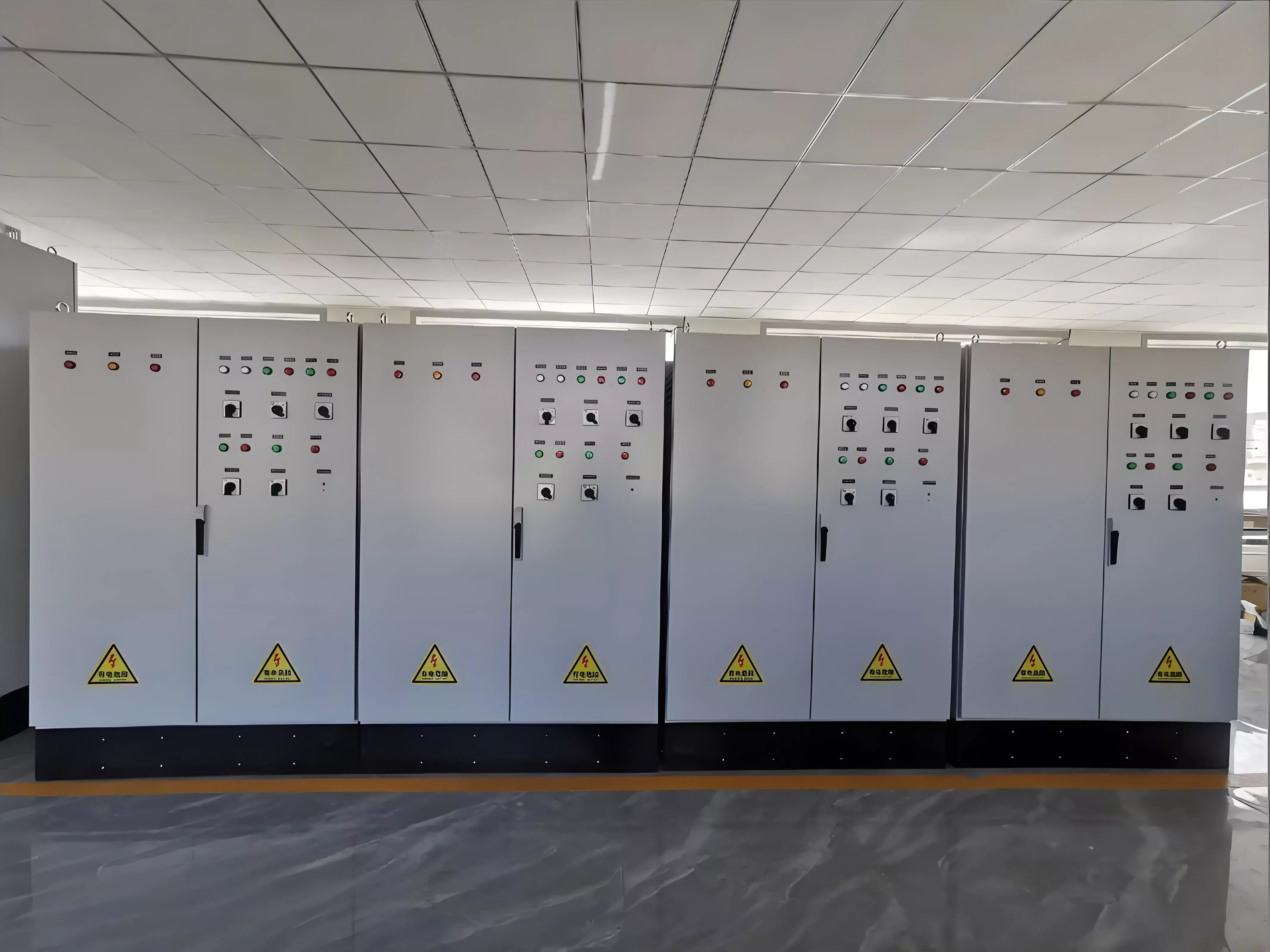
In modern electrical infrastructure, reliable power management is essential for safety and operational efficiency. One of the most important pieces of equipment in this system is the distribution cabinet. It acts as the central hub that receives electrical energy from a main power source—such as a transformer, generator, or utility supply—and distributes it to multiple circuits within a facility. :contentReference[oaicite:0]{index=0}
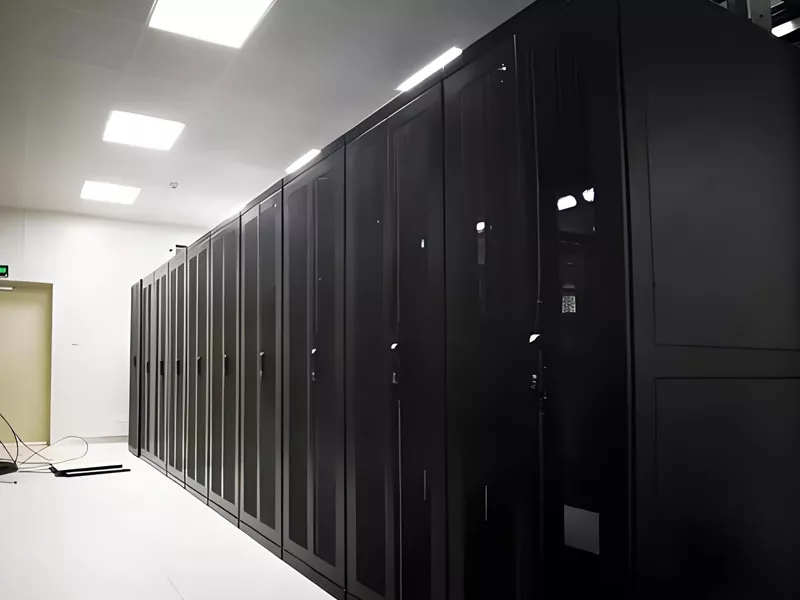
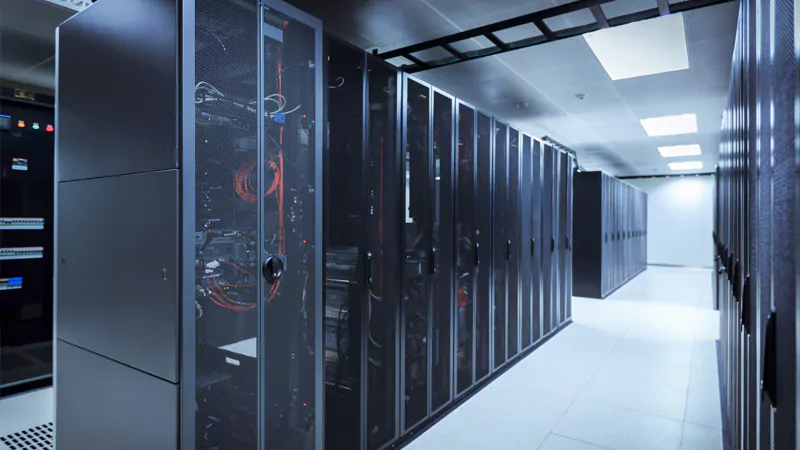
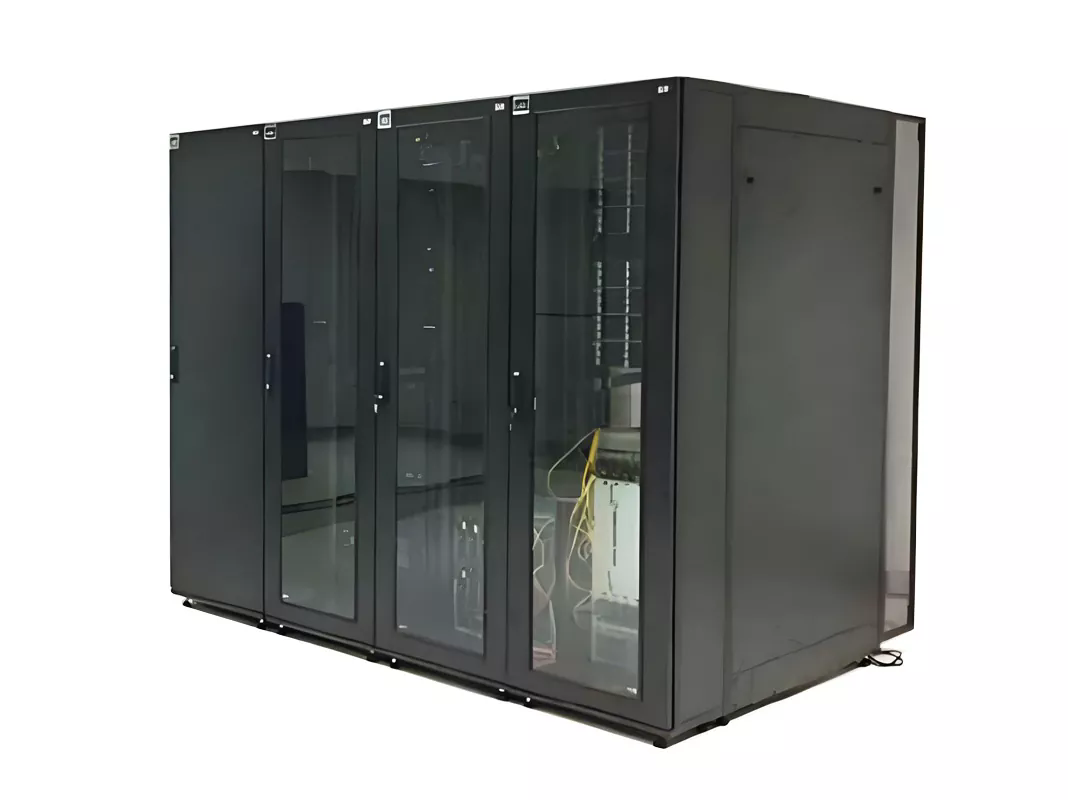
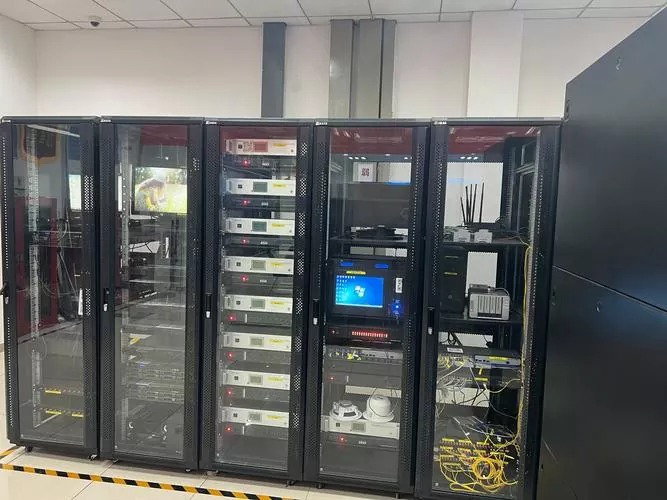
Distribution cabinets are widely used in factories, commercial buildings, data centers, and energy facilities. They house electrical components such as circuit breakers, relays, measuring instruments, and protection devices, all enclosed in a metal cabinet designed for safety and organization. :contentReference[oaicite:1]{index=1}
Without a properly designed distribution cabinet, electrical systems would lack centralized control, making power management more difficult and increasing the risk of overloads, faults, or operational interruptions.
2. How a Distribution Cabinet Works
A distribution cabinet functions as the control center for electrical power distribution. Its main role is to receive incoming electricity and safely distribute it to various circuits that supply power to equipment, lighting systems, and other electrical loads.
The process generally follows several stages:
- Power Intake: Electricity enters the cabinet from a transformer or main power source.
- Voltage and Current Regulation: Internal components ensure the power is delivered at suitable levels for different loads.
- Power Distribution: Electrical current is routed through busbars and circuit breakers to multiple outgoing circuits.
- Protection and Monitoring: Protective devices detect overloads or short circuits and automatically interrupt the circuit if necessary.
Circuit breakers and protection systems automatically disconnect faulty circuits to prevent damage to electrical equipment and reduce fire risks. :contentReference[oaicite:2]{index=2}
Modern cabinets may also integrate monitoring modules that track voltage, current, and energy consumption in real time, helping operators maintain stable electrical performance.
3. Key Components of a Distribution Cabinet
A typical distribution cabinet integrates several electrical devices that work together to manage and protect power flow.
| Component | Function |
|---|---|
| Circuit Breaker | Automatically disconnects circuits during overload or short circuit conditions. |
| Busbars | Conductive copper or aluminum bars used to distribute power within the cabinet. |
| Contactors and Relays | Control electrical circuits and enable automated switching. |
| Protection Devices | Include surge protection, leakage protection, and overcurrent protection. |
| Monitoring Instruments | Measure voltage, current, frequency, and energy consumption. |
| Enclosure Cabinet | Protects electrical components from environmental factors such as dust and moisture. |
These integrated components allow the cabinet to regulate electricity flow, monitor system conditions, and maintain stable power distribution across the entire facility.
4. Main Benefits for Industrial and Commercial Facilities
Installing a high-quality distribution cabinet provides multiple operational advantages for power systems.
-
Improved Electrical Safety
Protection devices prevent electrical faults, reducing the risk of equipment damage and electrical fires. -
Centralized Power Management
A single cabinet allows engineers to monitor and control multiple circuits from one location. -
Efficient Power Distribution
Balanced power distribution helps prevent circuit overload and improves energy utilization. -
Simplified Maintenance
Organized wiring and labeled circuits make troubleshooting faster and easier. -
Operational Reliability
Stable electrical supply reduces downtime and improves equipment performance.
In large industrial environments with multiple machines and production lines, distribution cabinets help maintain stable power flow and ensure efficient operations. :contentReference[oaicite:3]{index=3}
5. Typical Applications and Installation Environments
Distribution cabinets are essential across various industries and infrastructure systems.
Common applications include:
- Manufacturing plants and industrial workshops
- Commercial buildings and office complexes
- Data centers and telecommunications rooms
- Power stations and substations
- Renewable energy systems such as solar power plants
- Transportation infrastructure and municipal facilities
In these environments, the cabinet serves as the distribution and control center for electrical networks, ensuring safe power delivery to multiple end users. :contentReference[oaicite:4]{index=4}
6. Important Factors When Choosing a Distribution Cabinet
Selecting the right distribution cabinet requires careful evaluation of technical specifications and operational requirements.
Key factors include:
- Voltage and Current Capacity – The cabinet must support the facility's electrical load.
- Protection Level – IP rating and insulation determine resistance to dust, moisture, and environmental conditions.
- Material and Structural Design – High-quality steel construction improves durability.
- Modular Configuration – Flexible design allows system expansion.
- Monitoring Capability – Smart monitoring systems enable real-time power analysis.
- Compliance with Electrical Standards – Ensures safe installation and operation.
Manufacturers such as Temery design distribution cabinets that meet industrial power requirements while providing stable performance and reliable safety protection.
7. Maintenance and Safety Practices
Proper maintenance ensures the long-term reliability of distribution cabinets and prevents unexpected electrical failures.
- Perform routine inspections of wiring and connections
- Check circuit breakers and protection devices regularly
- Ensure proper ventilation and temperature control
- Clean dust and debris inside the cabinet
- Test monitoring and alarm systems periodically
Regular maintenance reduces operational risks and helps maintain consistent power distribution across the electrical system.
8. Frequently Asked Questions
Q1: What is the difference between a distribution cabinet and a distribution box?
A distribution cabinet is typically larger and designed for industrial or commercial electrical systems, while distribution boxes are commonly used for smaller installations such as residential circuits.
Q2: Why are circuit breakers essential in a distribution cabinet?
Circuit breakers automatically interrupt electrical flow when faults such as overloads or short circuits occur, protecting equipment and preventing potential fire hazards.
Q3: Can distribution cabinets support smart energy management?
Yes. Modern distribution cabinets can integrate intelligent monitoring systems that track electrical parameters such as current, voltage, and energy usage in real time.
Q4: How often should a distribution cabinet be inspected?
Routine inspections are typically recommended every 6 to 12 months depending on the operational environment and electrical load conditions.
9. Conclusion
Distribution cabinets play a critical role in modern electrical systems by ensuring that power is distributed safely, efficiently, and reliably across multiple circuits. From industrial manufacturing plants to commercial buildings and energy infrastructure, these cabinets provide centralized control, fault protection, and operational stability.
Choosing a high-quality distribution cabinet can significantly improve electrical safety, reduce downtime, and optimize power management for complex facilities. Companies like Temery provide advanced distribution cabinet solutions designed for durability, flexibility, and high performance in demanding environments.
If you are looking for reliable electrical distribution equipment or customized solutions for your project, contact us today to learn how our distribution cabinet systems can enhance the safety and efficiency of your power infrastructure.
Related News
- Can Intelligent Console of Dispatching Center Improve Emergency Response?
- Why Modular Computer Room Cabinet Is Evolving for AI Data Centers
- The Quiet Workhorse of Critical Infrastructure: Why Monitoring Console Hardware Deserves Its Own Upgrade Cycle
- Will Tomorrow's Monitoring Console Be Voice-Activated and Predictive Instead of Just Displaying Numbers?
- Advantages of modular computer rooms
- Key Functions of Operation Consoles
Leave me a message