English
- English
- Español
- Português
- русский
- Français
- 日本語
- Deutsch
- tiếng Việt
- Italiano
- Nederlands
- ภาษาไทย
- Polski
- 한국어
- Svenska
- magyar
- Malay
- বাংলা ভাষার
- Dansk
- Suomi
- हिन्दी
- Pilipino
- Türkçe
- Gaeilge
- العربية
- Indonesia
- Norsk
- تمل
- český
- ελληνικά
- український
- Javanese
- فارسی
- தமிழ்
- తెలుగు
- नेपाली
- Burmese
- български
- ລາວ
- Latine
- Қазақша
- Euskal
- Azərbaycan
- Slovenský jazyk
- Македонски
- Lietuvos
- Eesti Keel
- Română
- Slovenski
- मराठी
- Srpski језик

Advantages of modular computer rooms
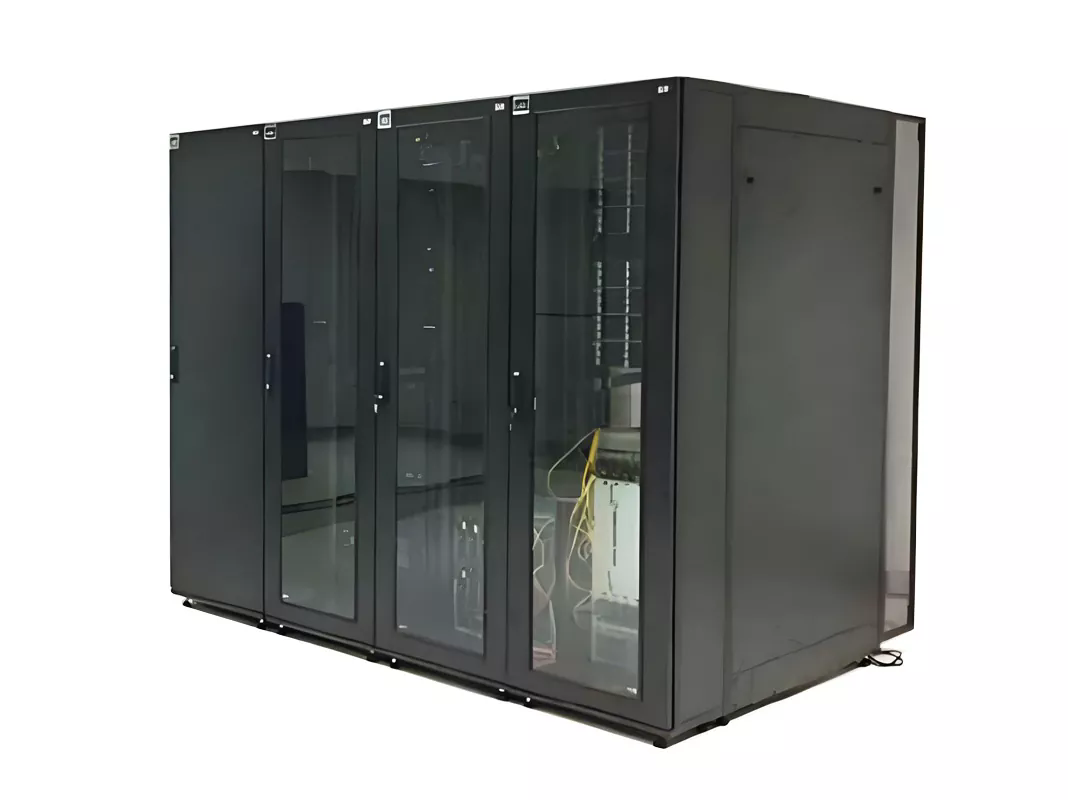
Driven by the dual impetus of accelerating digital transformation and the explosive surge in computing power demand, traditional data centers are increasingly confronted with prominent bottlenecks, including lengthy construction cycles, difficult capacity expansion, and unsatisfactory energy efficiency performance. Leveraging the underlying architecture characterized by industrialized production, standardized configuration and intelligent management, modular data centers are reshaping the delivery paradigm of data center infrastructure, and have emerged as the preferred solution for enterprises to build agile, highly efficient and sustainable computing power infrastructure. This paper systematically sorts out the core value of modular data centers, and elaborates on their breakthrough performance across four key dimensions: construction efficiency, resource allocation efficiency, expansion flexibility, and operation and maintenance intelligence.
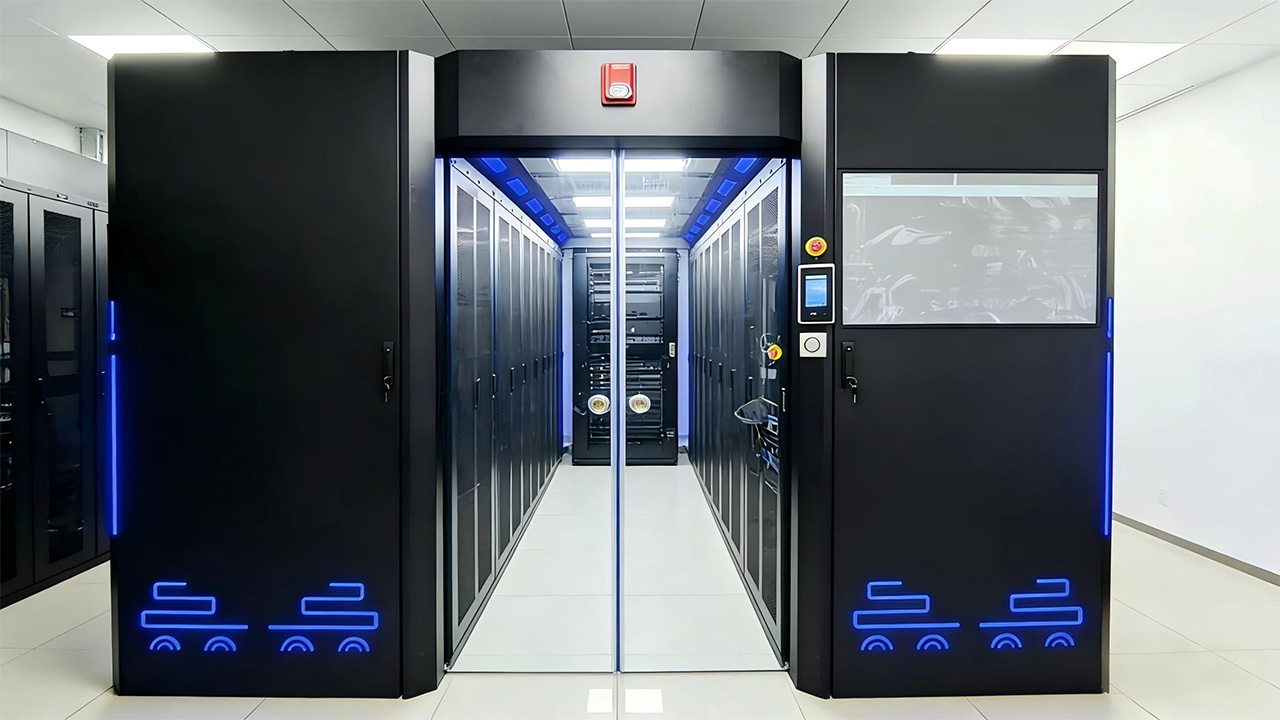
I. Rapid Deployment: A Delivery Revolution from Months to Weeks
Modular data centers subvert the traditional linear process of "design - procurement - construction - commissioning". Over 80% of the equipment installation, cabling, and testing work is completed in advance in a factory environment. On site, only foundation load-bearing, power access, and module splicing are required to achieve "out-of-the-box availability".
l Reduced construction cycle: The average deployment time is shortened from 6-12 months in the traditional mode to 4-8 weeks, accelerating the launch of critical business systems by over 70%.
l Zero business interruption: The impact of construction noise, dust, and schedule uncertainty on the production environment is minimized, ensuring the continuity of core business operations.
l Agile responsiveness: In emergency scenarios such as e-commerce peak promotions, government emergency response, and AI training, "on-demand delivery and immediate installation & use" can be realized to seize market opportunities.
II. Resource Optimization: From Extensive Construction to Precise Allocation
Through the standardized and parameterized design of modular units, "on-demand supply and pay-as-you-go" of resources is achieved:
|
Resource Type |
Problems of Traditional Data Centers |
Modular Solutions |
|
Power Capacity |
Excessive reservation, utilization rate less than 40% |
Precisely configured according to module power density (10-15kW per cabinet) |
|
Cooling System |
Whole-room cooling, mixing of hot and cold airflows |
In-row precision air conditioners + hot/cold aisle containment, PUE ≤ 1.3 |
|
Space Utilization |
Cabinet density ≤ 5kW/㎡ |
High-density cabinet layout, space utilization increased to 80% |
|
Maintenance Cost |
Non-standard spare parts, long replacement cycle |
Modular hot-swappable design, replacement time < 2 hours |
The resource waste rate is reduced by over 40%, and the TCO (Total Cost of Ownership) is significantly optimized.
III. Flexible Expansion: An Evolution Path from "Reconstruction" to "Superposition"
Business growth no longer means "starting all over again":
l Horizontal Expansion: New computing modules can be seamlessly connected to the existing architecture, supporting online capacity expansion without shutdown.
l Vertical Upgrade: Servers, power supplies, and cooling units can be replaced independently within a single module, and technology iteration has no global impact.
l Heterogeneous Compatibility: It supports the mixed use of modules from different brands and generations, protecting existing investments and reducing the risk of technology lock-in.
Enterprises can achieve the evolutionary path of "progressing in small but fast steps", avoiding one-time huge investments and shortening the ROI (Return on Investment) cycle by over 30%.
IV. Intelligent Operation & Maintenance: From Passive Response to Proactive Prediction
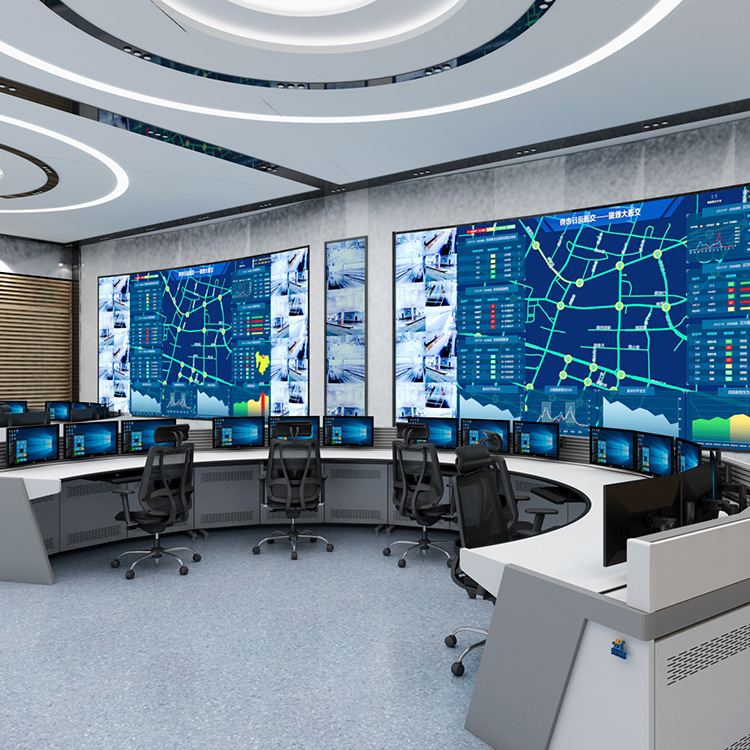
The modular data center has a built-in global intelligent monitoring system, constructing a closed loop of "perception - analysis - decision-making - execution":
l Environment Monitoring: Real-time collection of more than 20 types of parameters such as temperature & humidity, water immersion, smoke detection, and UPS status.
l AI Early Warning: The algorithm model trained based on historical data predicts equipment failures up to 72 hours in advance, with an accuracy rate exceeding 92%.
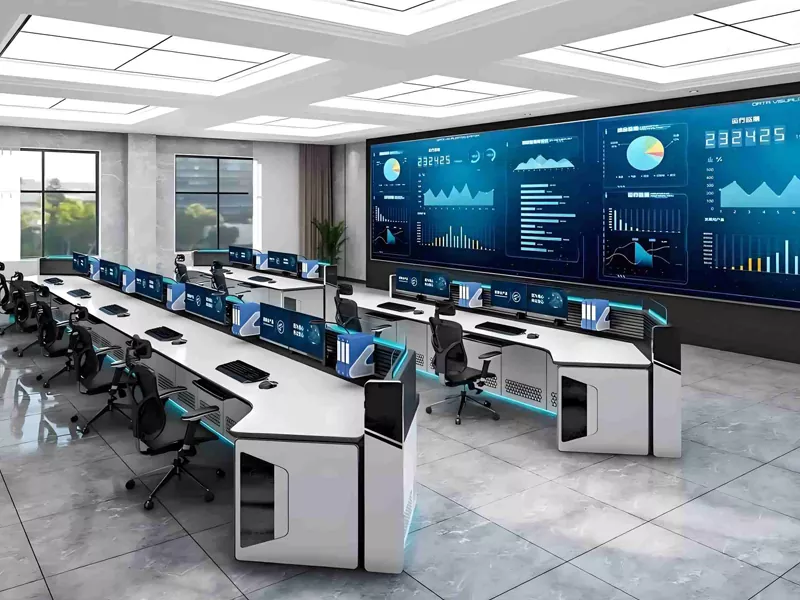
l Remote Management: It supports centralized management and control of multiple sites. Operation & maintenance personnel can complete over 80% of routine operations remotely, realizing "unattended operation and minimal on-site inspection".
The labor cost of operation & maintenance is reduced by 50%, and the average MTTR (Mean Time To Repair) is shortened to less than 15 minutes.
The modular data center is not only an upgrade of infrastructure, but also a paradigm shift in the operation concept of data centers. It reconstructs the entire life cycle of "construction - operation - evolution" with industrialized thinking, making computing power supply evolve from "rigid and fixed" to "flexible and fluid". In highlands of digital economy such as Tianjin, modular solutions have been widely applied in fields including finance, government affairs, and intelligent manufacturing, becoming the core engine supporting the urban digital foundation. In the future, with the in-depth integration of liquid cooling modules, AI operation & maintenance, carbon tracking and other technologies, modular data centers will continue to lead a new era of green, intelligent, and highly reliable data centers.
Related News
- Can Intelligent Console of Dispatching Center Improve Emergency Response?
- Why Modular Computer Room Cabinet Is Evolving for AI Data Centers
- The Quiet Workhorse of Critical Infrastructure: Why Monitoring Console Hardware Deserves Its Own Upgrade Cycle
- Will Tomorrow's Monitoring Console Be Voice-Activated and Predictive Instead of Just Displaying Numbers?
- Key Functions of Operation Consoles
- How Can You Choose the Right Network Cabinet for Your Business?
Leave me a message