English
- English
- Español
- Português
- русский
- Français
- 日本語
- Deutsch
- tiếng Việt
- Italiano
- Nederlands
- ภาษาไทย
- Polski
- 한국어
- Svenska
- magyar
- Malay
- বাংলা ভাষার
- Dansk
- Suomi
- हिन्दी
- Pilipino
- Türkçe
- Gaeilge
- العربية
- Indonesia
- Norsk
- تمل
- český
- ελληνικά
- український
- Javanese
- فارسی
- தமிழ்
- తెలుగు
- नेपाली
- Burmese
- български
- ລາວ
- Latine
- Қазақша
- Euskal
- Azərbaycan
- Slovenský jazyk
- Македонски
- Lietuvos
- Eesti Keel
- Română
- Slovenski
- मराठी
- Srpski језик

The Quiet Workhorse of Critical Infrastructure: Why Monitoring Console Hardware Deserves Its Own Upgrade Cycle
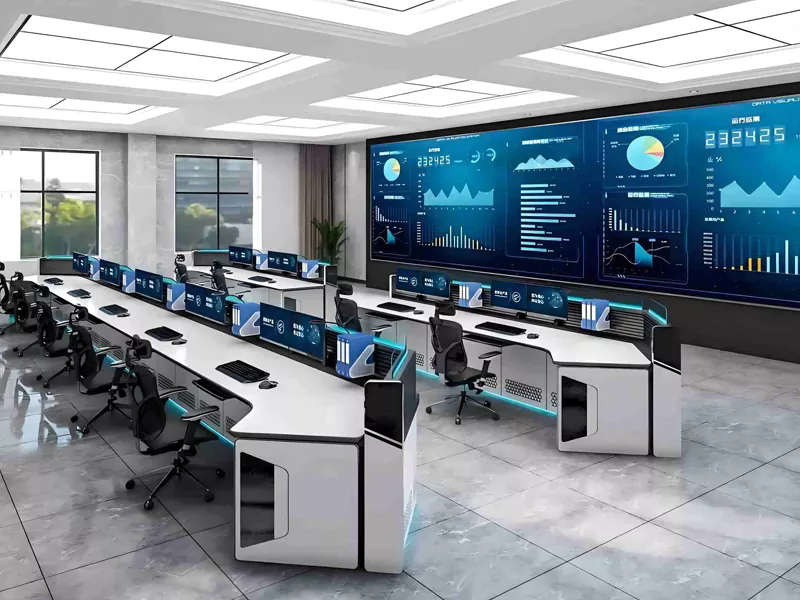
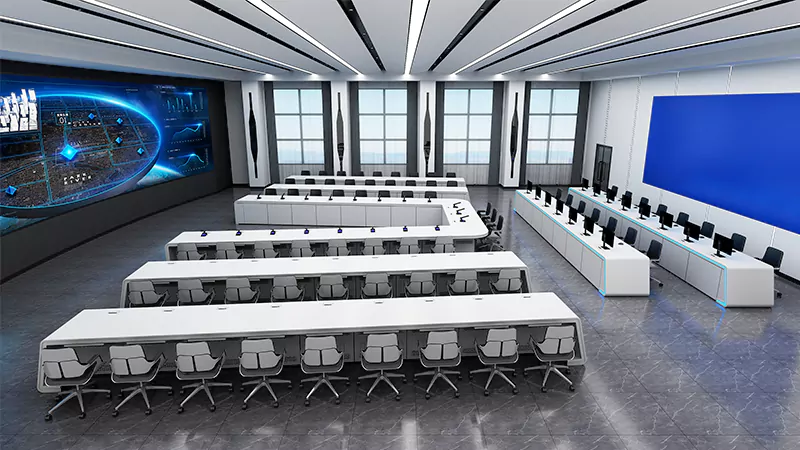
When people picture a control room, they imagine walls of screens and streams of data. But ask any operator who has spent a 12-hour shift inside one, and the operator will talk about something else entirely: the chair that stops supporting the back at hour eight, the cable that keeps snagging the knee, the monitoring console height that forces a permanent forward lean.
Control rooms never close. Power grids, rail networks, data centers, emergency dispatch and industrial plants depend on continuous monitoring around the clock. While software platforms capture most of the attention in digital transformation projects, the physical monitoring console remains the quiet workhorse of every critical operation — and the monitoring console is finally getting its own upgrade cycle.
1.Ergonomics is a safety system, not a comfort feature
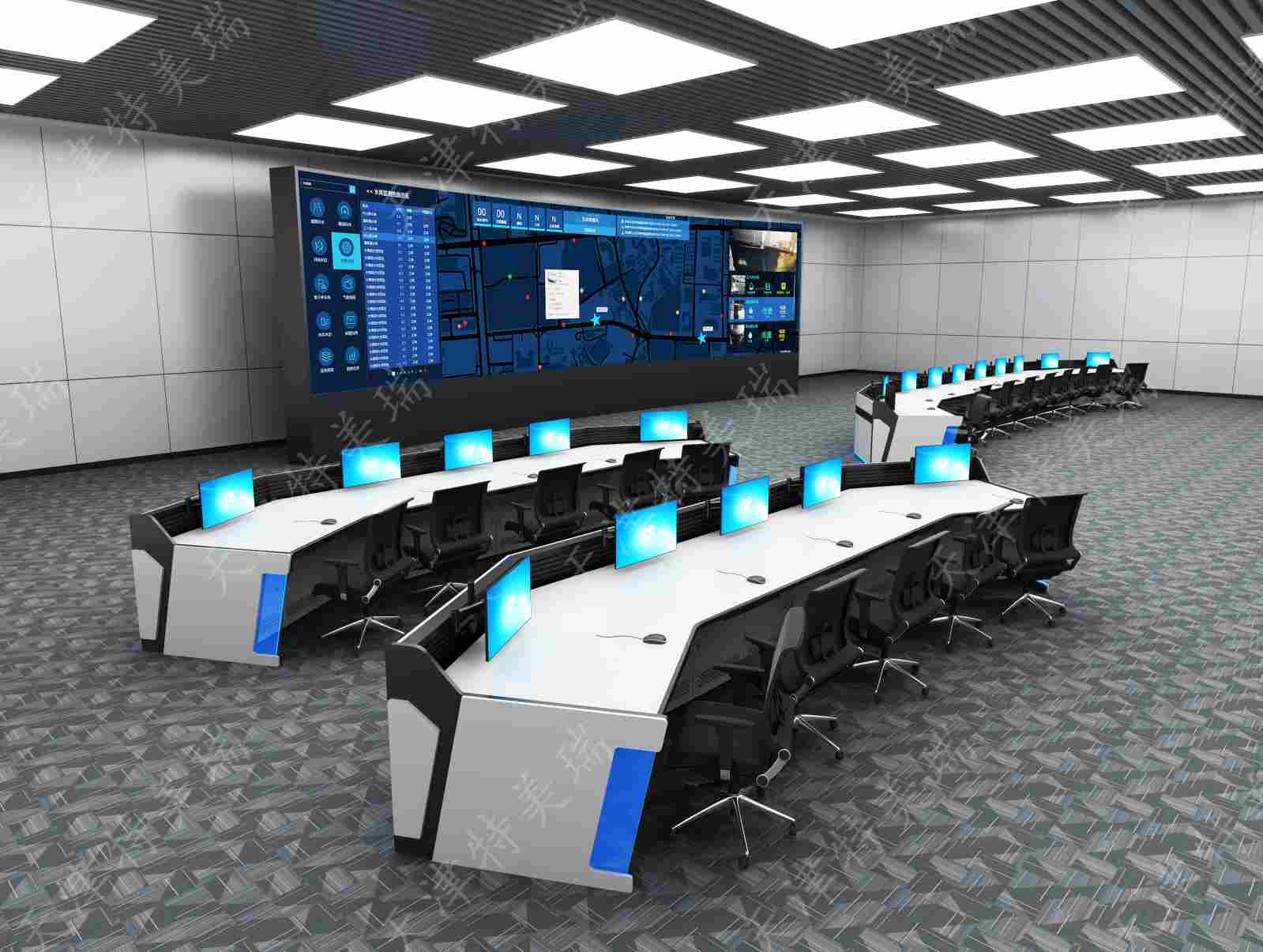
Fatigue is one of the most underestimated risks in control environments. Studies of high-stakes workplaces consistently show that physical discomfort shortens attention spans and slows decision-making. An operator who is subtly uncomfortable all day is an operator whose reaction time drifts exactly when the reaction matters most. Modern monitoring console design therefore treats the human body as part of the system.
Height-adjustable surfaces, correct viewing angles for both seated and standing work, generous legroom and glare-free layouts are no longer optional extras. International guidance for control center design — such as ISO 11064 — now places human factors at the center of the room layout, not at the margins. The monitoring console is engineered first for the person, then for the equipment.
2.Modularity is the cheapest form of future-proofing
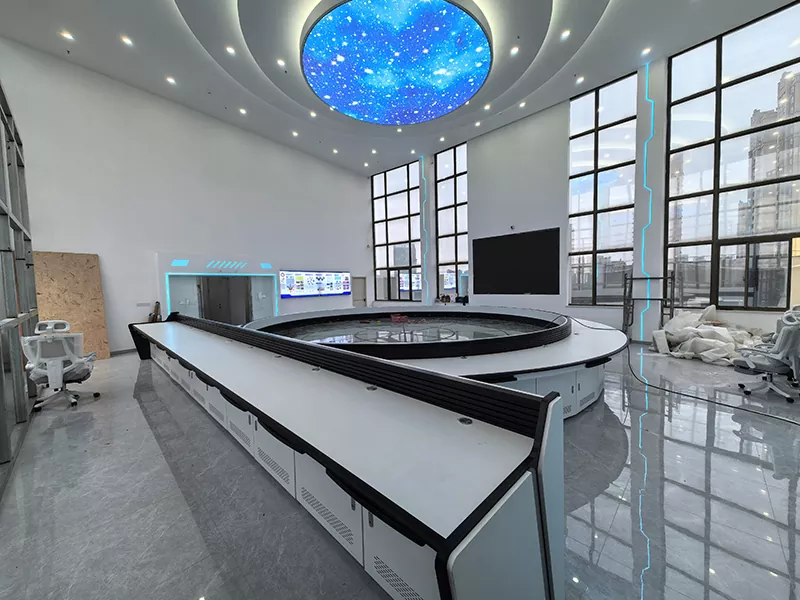
Technology inside a control room changes every few years, while the control room itself is expected to last much longer. Modular construction bridges the gap: monitoring consoles assembled from standardized sections can be reconfigured when teams grow, extended when new screens arrive, and partially replaced when a single module wears out — without shutting down the room or rebuilding walls.
Cable pathways deserve special attention in the discussion. A well-designed monitoring console routes power and signal cabling through protected channels, which improves safety, simplifies maintenance and keeps airflow clear for cooling. When an upgrade happens, technicians can pull new cables through existing pathways instead of tearing the furniture apart. The engineering hidden behind the surface saves days of downtime that never appear on any spreadsheet — but every operator feels the difference.
3.Thermal management keeps equipment — and people — cool
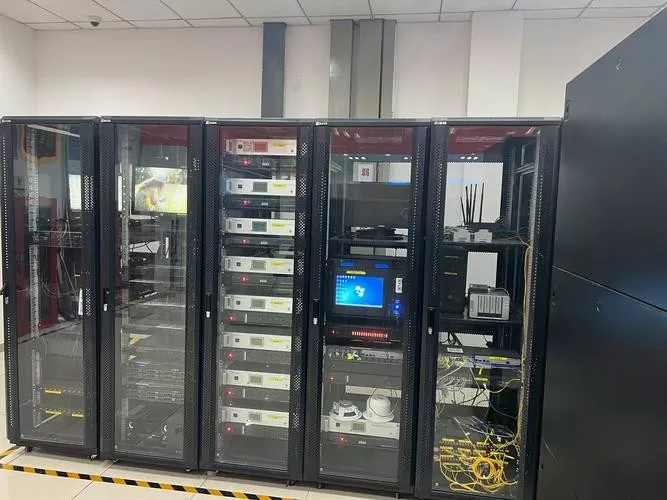
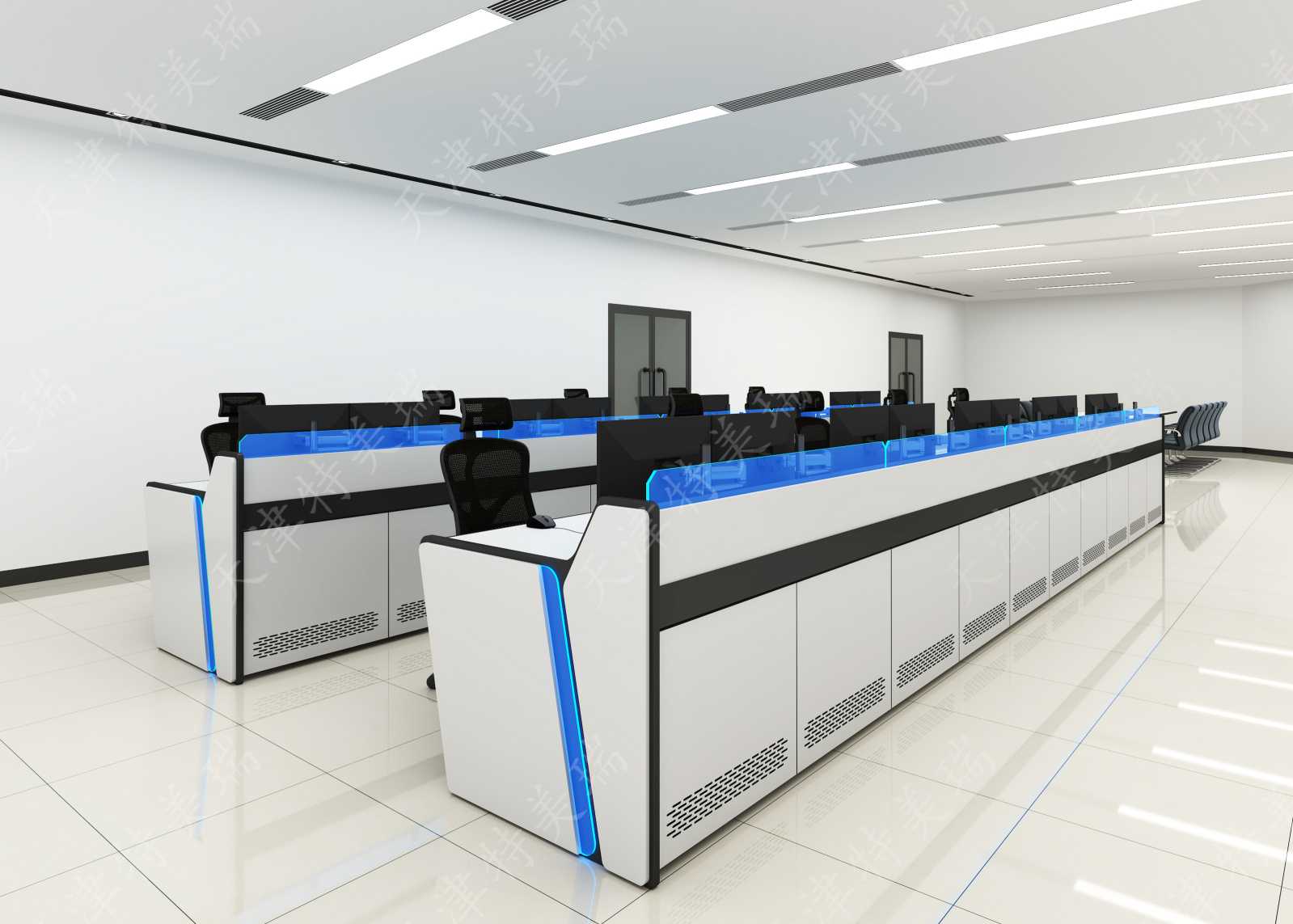
A modern console room generates serious heat. Video walls, servers and workstation computers run continuously, and poorly ventilated furniture turns heat into failures and shortened component life. Precision-fabricated steel structures with designed airflow paths help the monitoring console keep equipment within operating temperature range, while keeping the air around operators comfortable.
4.One environment, not a collection of furniture
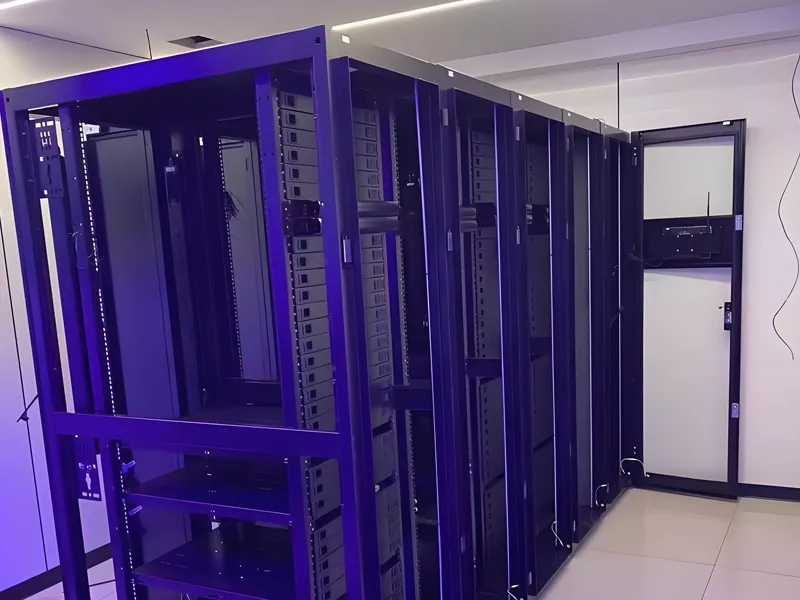
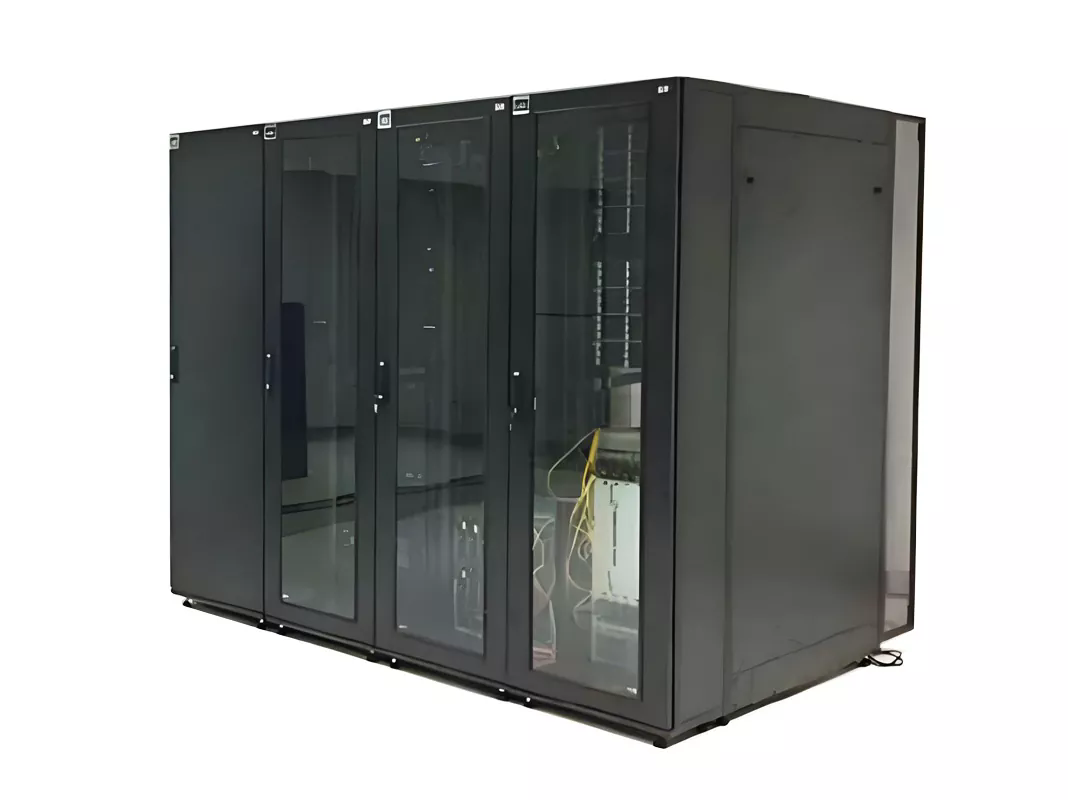
The most efficient control rooms are designed as a single environment. Monitoring consoles, dispatch desks, network cabinets and video wall support systems that share consistent dimensions, finishes and engineering standards integrate far more smoothly than furniture bought piece by piece from different suppliers. The result is easier installation, cleaner maintenance and a more professional appearance — important not only for operations, but for how the room represents the organization to visitors and clients.
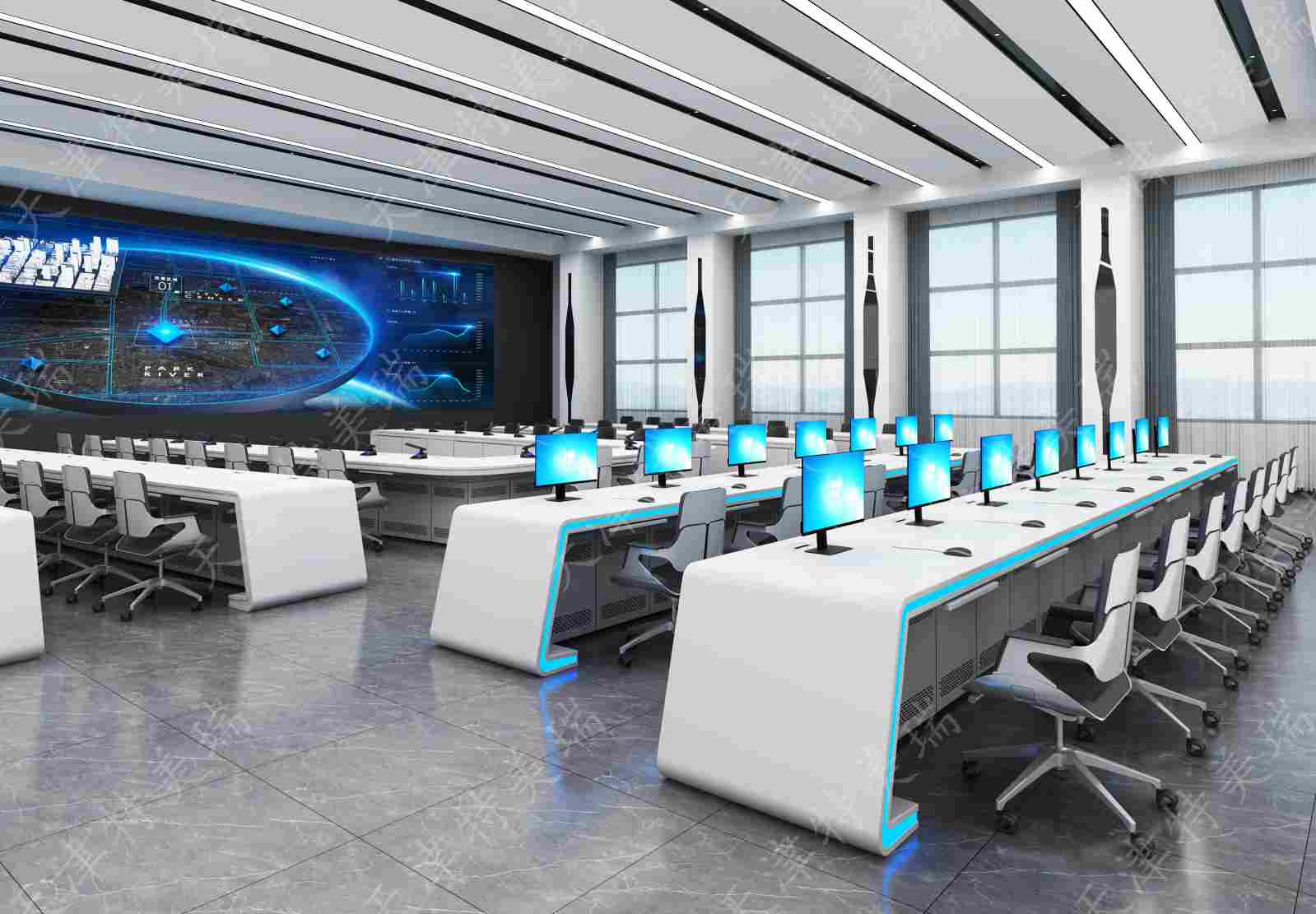
5.Hardware and software evolve together
Digital transformation will keep changing how operators work, but every new software capability still runs on physical infrastructure. A monitoring console that supports long shifts, keeps cabling out of the way and stays cool under load is what turns good software into reliable operations.
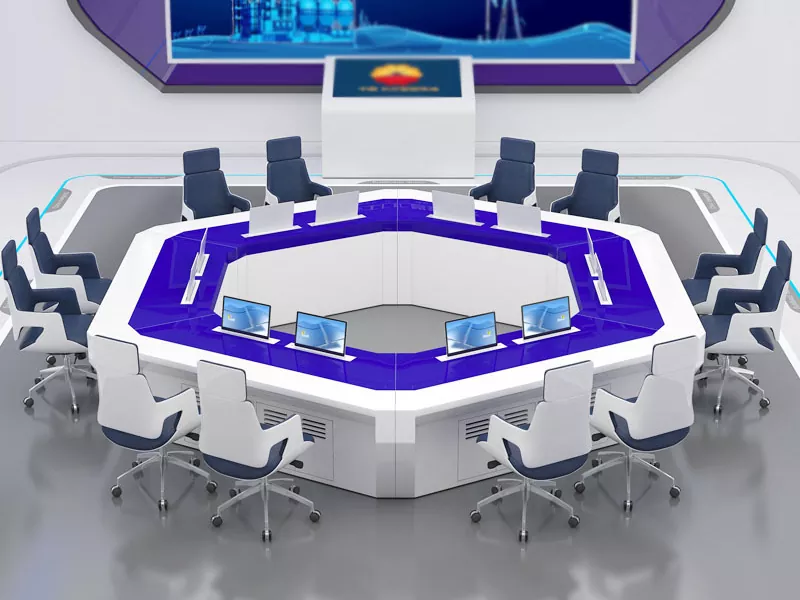
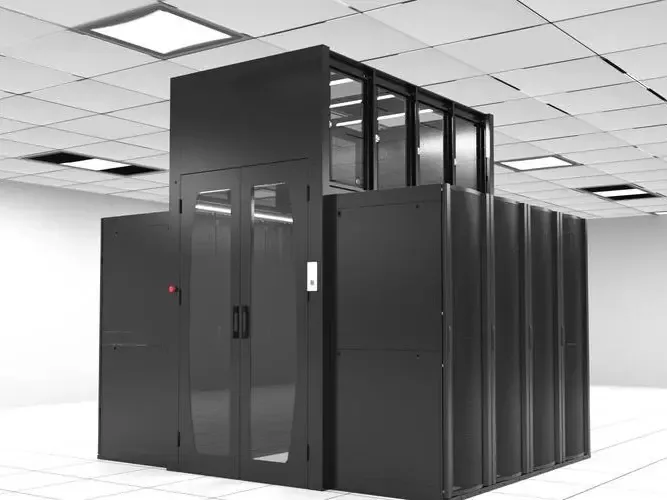
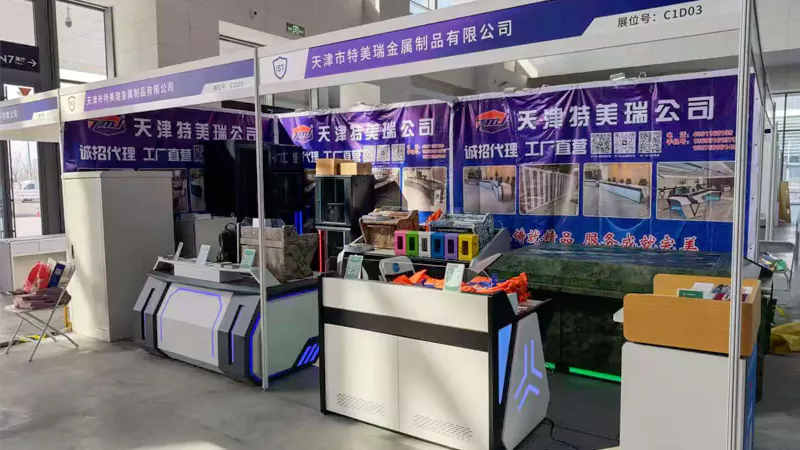
Tianjin Temery Metal Products Co., Ltd. combines design engineering, precision CNC processing and nearly two decades of manufacturing experience to deliver monitoring consoles, control consoles, dispatch consoles, conference tables, network cabinets and video wall systems built for demanding, around-the-clock environments. Explore the full range of monitoring console solutions and network cabinet solutions at www.tmrjs.com.
The next generation of control rooms will be smarter — and more comfortable, more maintainable and better built. The monitoring console stays at the center of both halves of the equation.
Related News
- Will Tomorrow's Monitoring Console Be Voice-Activated and Predictive Instead of Just Displaying Numbers?
- Advantages of modular computer rooms
- Key Functions of Operation Consoles
- How Can You Choose the Right Network Cabinet for Your Business?
- How Outdoor Cabinets Improve Your Equipment Management
- How Does a Command Center Console Optimize Your Operations?
Leave me a message