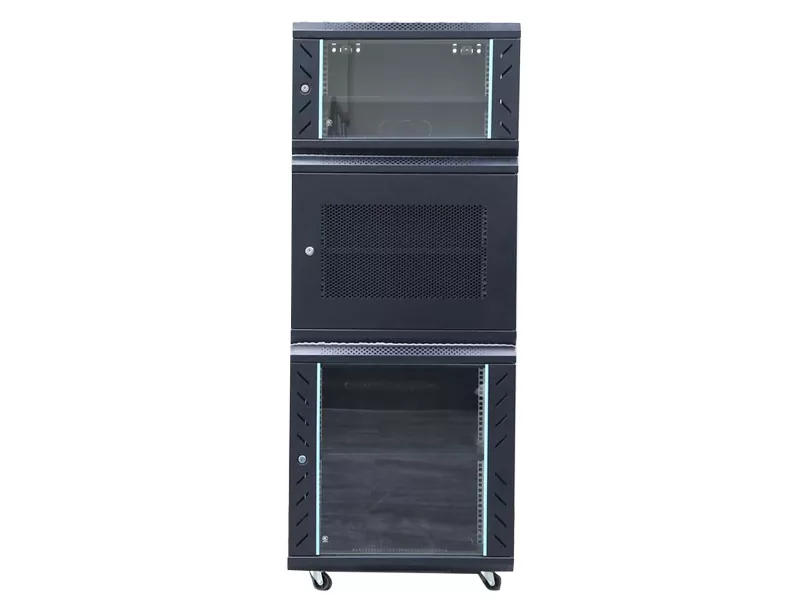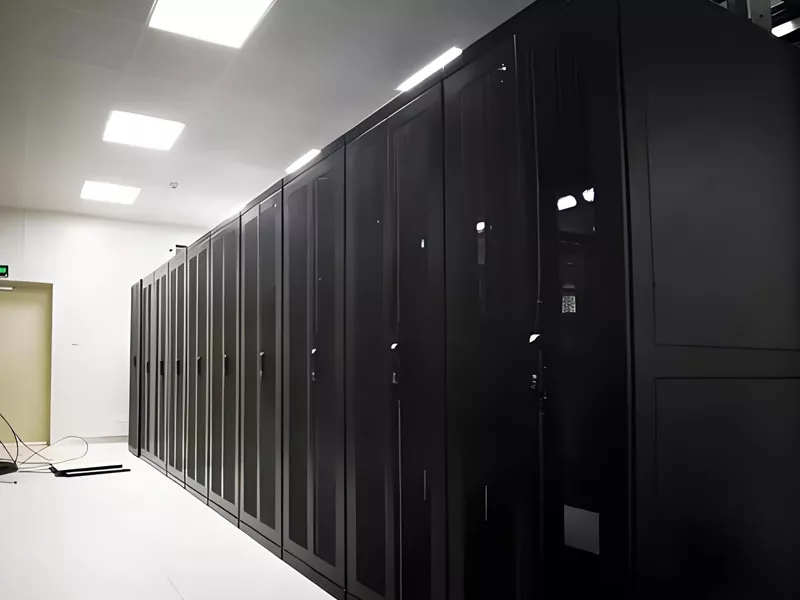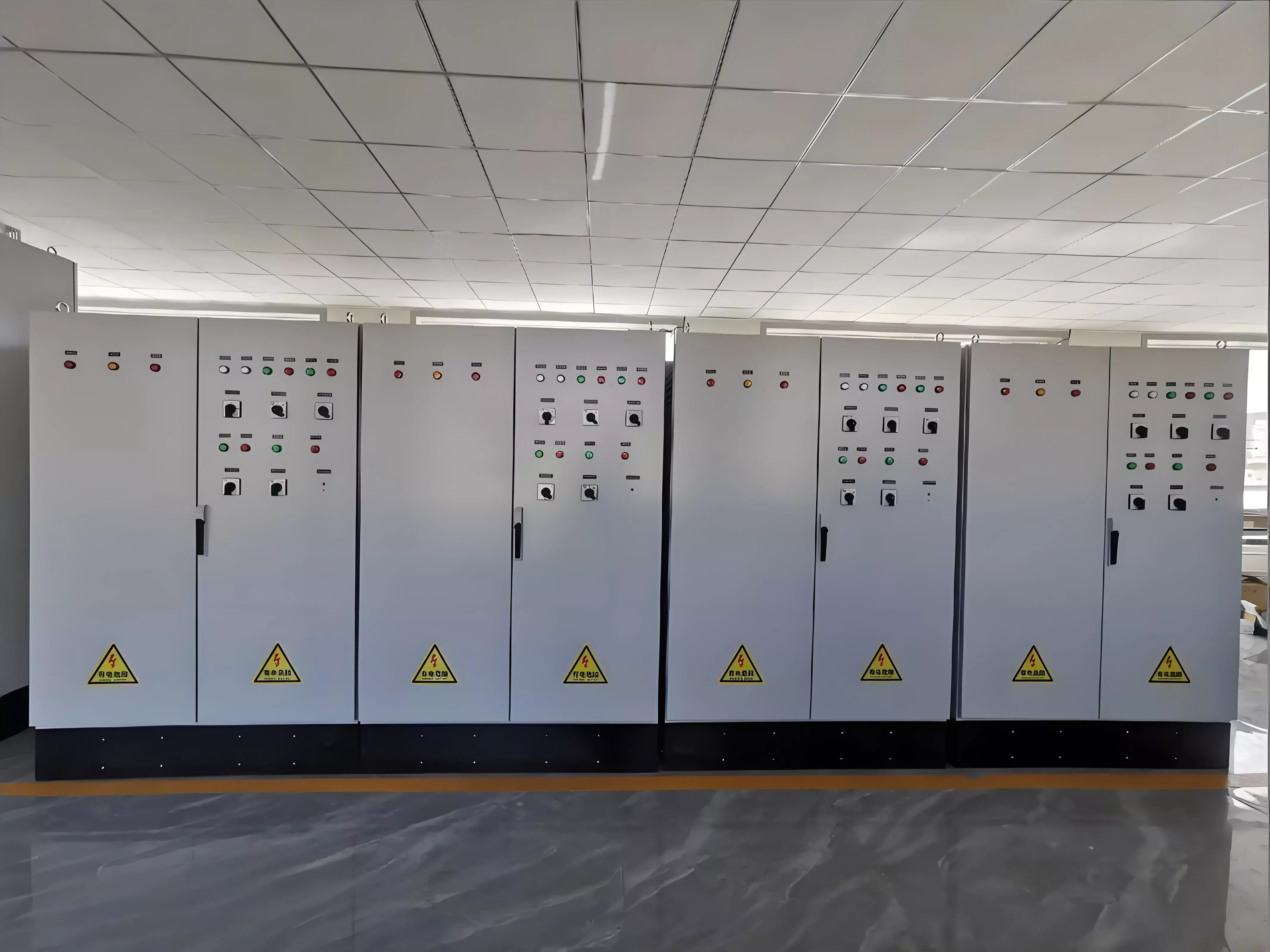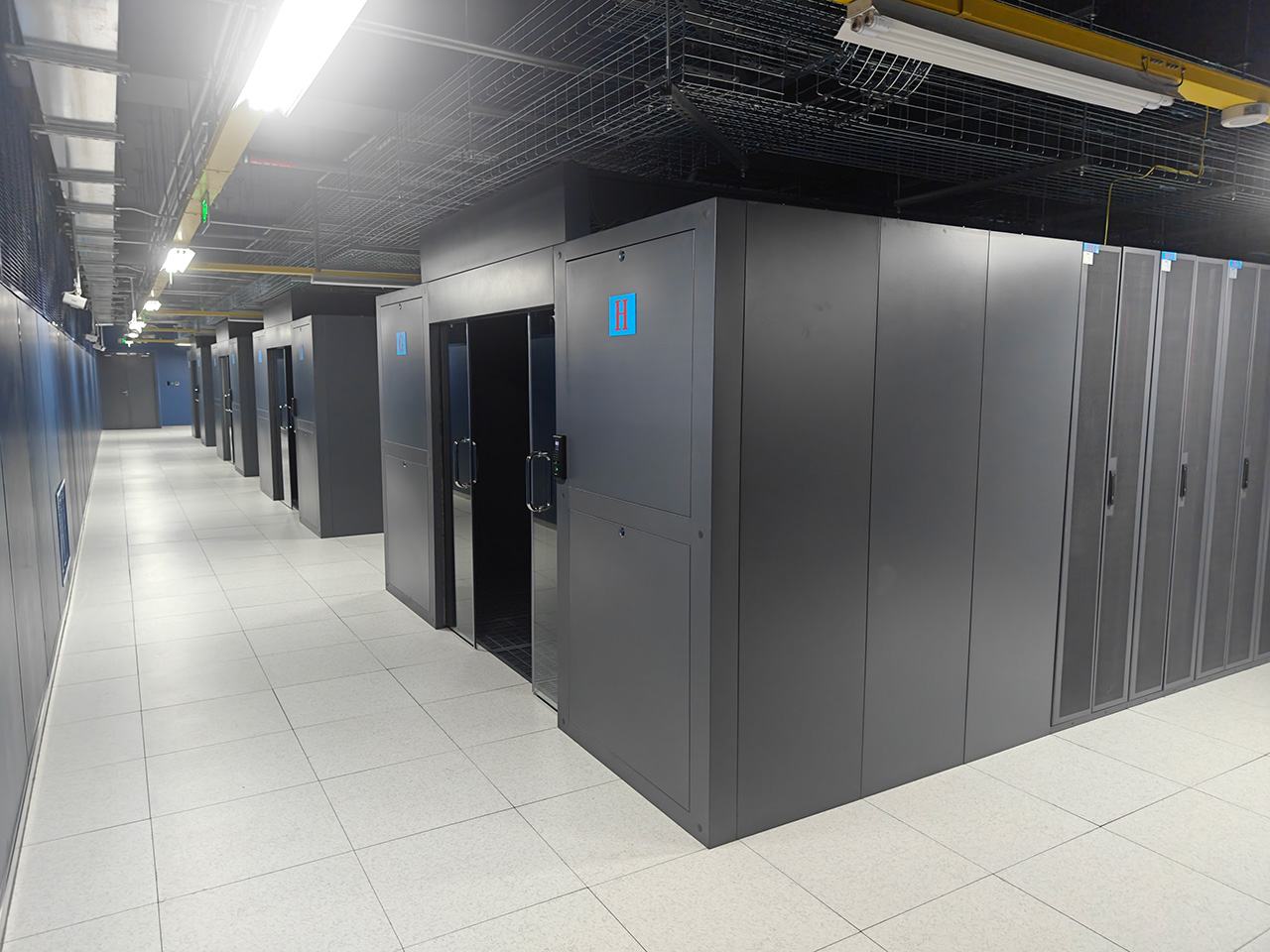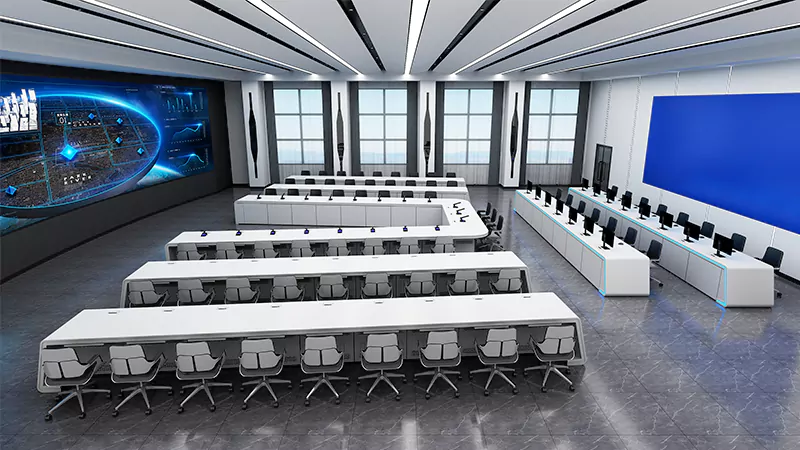

Artificial intelligence is reshaping the architecture of modern data centers. As AI training, inference services and high-performance computing workloads continue to expand, traditional computer rooms are facing new requirements in terms of rack density, thermal management, power distribution and deployment flexibility. Within this transformation, Modular Computer Room Cabinet is becoming an important infrastructure component because it provides a more adaptable approach to organizing servers, networking equipment, storage systems and supporting systems.
Unlike traditional server cabinets designed mainly for general IT equipment installation, modern modular cabinet systems are evolving toward integrated infrastructure management. They combine standardized rack mounting, optimized airflow design, power management, cable organization and monitoring capabilities to support changing data-center environments. This shift reflects a broader industry movement toward modular and scalable infrastructure as organizations seek faster deployment and easier upgrades for AI-related computing requirements.
AI Workloads Are Changing Data Center Cabinet Requirements
The growth of AI applications has introduced new challenges for data-center operators. AI servers typically require higher computing performance, increased power consumption and more advanced thermal management compared with conventional enterprise servers. As rack densities rise, older computer rooms designed around lower-power equipment may struggle with airflow balance, cooling efficiency and future expansion.
In this environment, cabinet design is becoming more closely connected with overall data-center planning. A Modular Computer Room Cabinet is no longer viewed only as a physical enclosure for IT devices. Instead, it functions as a structured platform that supports equipment arrangement, airflow control, power distribution and operational monitoring.
For AI-focused environments, flexibility is particularly important because hardware generations change rapidly. A cabinet layout suitable for current servers may need adjustments when new processors, storage devices or network equipment are introduced. Modular designs allow organizations to modify configurations without completely rebuilding the entire computer-room infrastructure.
Modular Design Supports Faster Infrastructure Adaptation
Traditional data-center construction often requires long planning cycles because electrical systems, cooling systems, network pathways and equipment spaces must be coordinated before operation begins. The increasing demand for AI computing capacity has encouraged the industry to explore more modular approaches that allow infrastructure components to be prepared, tested and deployed more efficiently.
A Modular Computer Room Cabinet follows this same principle at the equipment-room level. Standardized cabinet structures make it easier to deploy repeatable configurations across different locations, including enterprise server rooms, edge computing sites, telecommunications facilities and industrial control environments.
This approach is especially useful for organizations that need phased expansion. Instead of installing a large amount of unused infrastructure in advance, operators can add cabinets and related systems according to actual computing demand. This incremental deployment model helps improve space utilization and provides greater flexibility when future requirements are uncertain.
Cooling Management Becomes a Key Consideration
Thermal management is one of the most important factors influencing modern data-center design. As AI workloads increase processing intensity, controlling heat generation inside equipment areas becomes more complex.
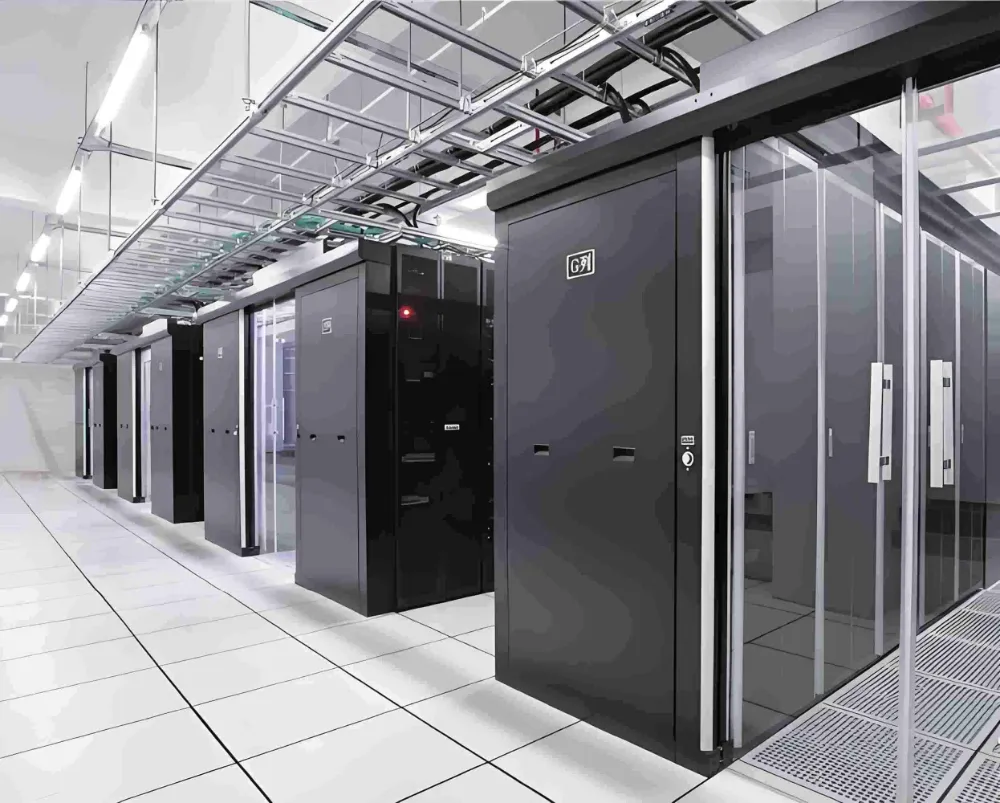
Modern Modular Computer Room Cabinet designs increasingly focus on airflow organization through features such as perforated front and rear doors, optimized internal layouts, cable management systems and compatibility with cold aisle or hot aisle arrangements.
Airflow management does not replace dedicated cooling infrastructure, but it helps create a more organized thermal environment by reducing airflow obstruction and improving separation between hot and cold air streams. This allows cooling systems to operate more effectively and supports stable equipment operation.
For future AI infrastructure, cabinet-level thermal planning is expected to become increasingly important as organizations evaluate higher-density computing deployments and new cooling technologies.
Power Distribution and Cabling Are Becoming More Complex
AI data centers require more attention to power delivery because high-performance computing equipment creates greater demands on electrical infrastructure. Cabinet-level power planning has therefore become an essential part of data-center design.
A modern Modular Computer Room Cabinet can integrate reserved positions for power distribution units (PDUs), vertical cable management, cable entry systems and structured routing solutions. These features help separate power cables from network cables, simplify maintenance procedures and provide a cleaner installation environment.
Effective cable management also supports future upgrades. As servers, switches and storage equipment are replaced over time, organized cabling reduces the complexity of equipment changes and improves operational visibility.
Intelligent Monitoring Supports Data Center Operations
Another trend influencing cabinet development is the integration of monitoring capabilities. Data centers increasingly rely on real-time information to understand equipment conditions and identify potential risks before they affect operations.
Environmental monitoring modules can collect information such as temperature, humidity, water leakage, smoke detection and cabinet access status. These functions allow operators to monitor local conditions and integrate cabinet-level data into broader infrastructure management platforms.
For distributed computing environments and edge data centers, this type of monitoring is particularly valuable because many sites operate with limited on-site personnel. Remote visibility helps improve maintenance efficiency and supports more proactive management.
The Role of Modular Computer Room Cabinet in Future IT Infrastructure
The evolution of Modular Computer Room Cabinet reflects a larger transformation in data-center development. AI, edge computing and digital services are pushing organizations to build infrastructure that can adapt quickly while maintaining operational stability.
Future computer rooms are likely to place greater emphasis on:
- Flexible equipment deployment
- Higher-density rack configurations
- Improved airflow management
- Intelligent monitoring systems
- Simplified expansion processes
- Standardized modular infrastructure
As AI applications continue to influence computing requirements, data-center infrastructure will need to become more adaptable. Modular cabinet systems represent one part of this transition by connecting physical equipment organization with broader goals such as scalability, efficiency and operational flexibility.
The development of Modular Computer Room Cabinet is therefore not only about improving cabinet design itself. It represents a shift toward more responsive data-center environments where infrastructure can evolve alongside changing computing technologies.