English
- English
- Español
- Português
- русский
- Français
- 日本語
- Deutsch
- tiếng Việt
- Italiano
- Nederlands
- ภาษาไทย
- Polski
- 한국어
- Svenska
- magyar
- Malay
- বাংলা ভাষার
- Dansk
- Suomi
- हिन्दी
- Pilipino
- Türkçe
- Gaeilge
- العربية
- Indonesia
- Norsk
- تمل
- český
- ελληνικά
- український
- Javanese
- فارسی
- தமிழ்
- తెలుగు
- नेपाली
- Burmese
- български
- ລາວ
- Latine
- Қазақша
- Euskal
- Azərbaycan
- Slovenský jazyk
- Македонски
- Lietuvos
- Eesti Keel
- Română
- Slovenski
- मराठी
- Srpski језик

Analysis of the Core Advantages of Network Server Cabinets
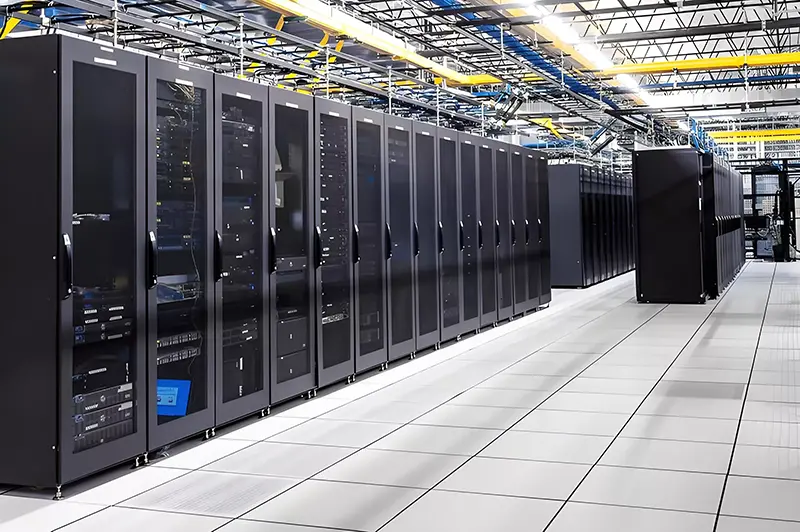
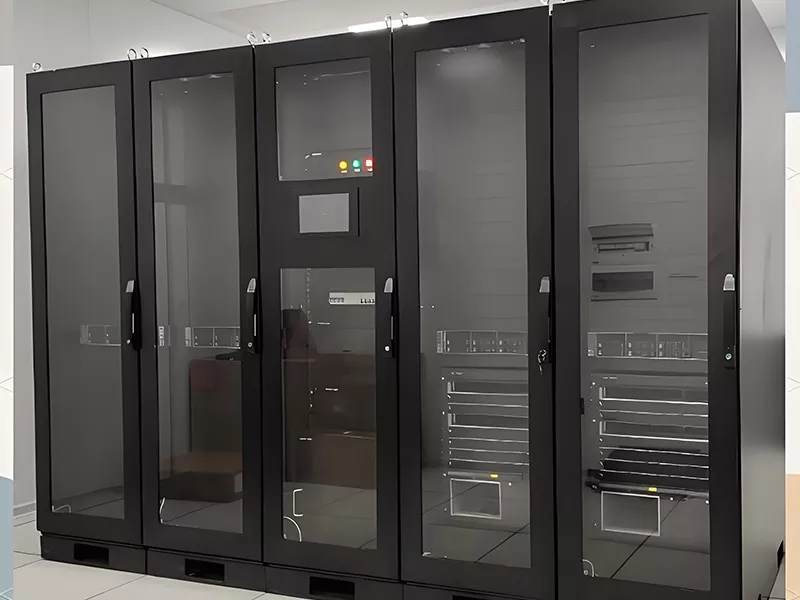
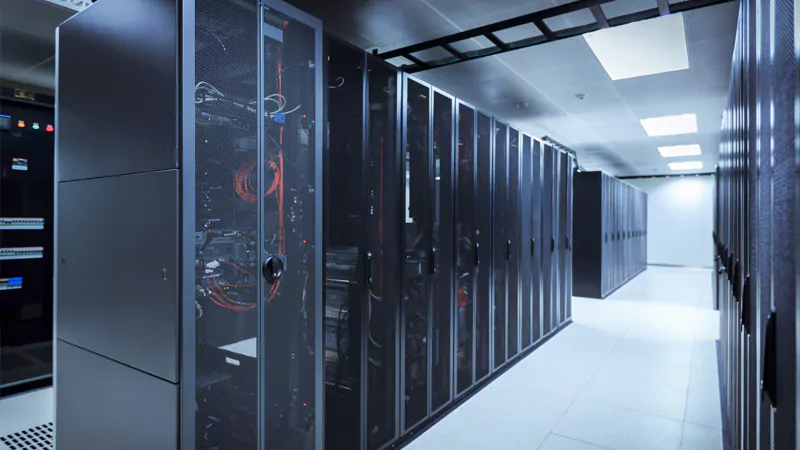
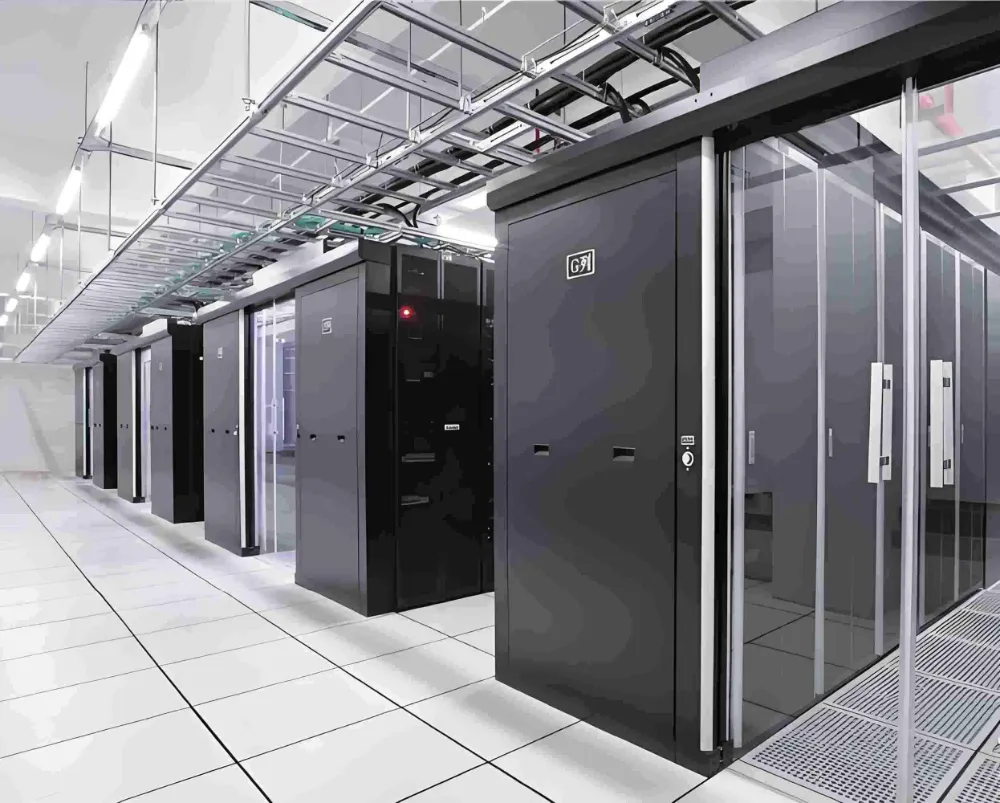
In today's era of accelerated digital transformation, network equipment and servers have become the core computing power support for enterprises, data centers, and edge nodes. Network server cabinets, as the "habitat" for these key devices, have long gone beyond being merely "storage containers" and have become the core infrastructure that ensures the stable operation of IT systems, optimizes management efficiency, and reduces operation and maintenance costs. Based on standardized design, it integrates multiple functions such as structural support, heat regulation, cable management, and security protection, and is compatible with all scenarios from small and medium-sized enterprise data centers to large-scale data centers. Its hidden product advantages are the important guarantee for the efficient operation of digital infrastructure.
I. Standardized structural design, balancing compatibility and scalability, suitable for full-scenario deployment
One of the core advantages of the network server cabinet is that it strictly follows international standard specifications. From size to interface, it achieves full compatibility, completely solving the deployment problems of different brands and types of IT equipment. The cabinet width mostly adopts standard sizes of 600mm or 800mm, perfectly adapting to mainstream network equipment such as 19-inch rack-mounted servers, switches, and routers; the depth covers multiple specifications ranging from 800mm to 1200mm, which not only meets the installation requirements of shallow-depth network devices like switches, but also accommodates long-body rack-mounted servers, avoiding the awkward situation where the equipment cannot be fully contained; the height is mainly in the mainstream of 42U and 47U, using "U" (1U = 4.445cm) as the measurement unit, supporting high-density equipment stacking, and leaving 2-3U as spare space, providing sufficient redundancy for future equipment expansion and function upgrade, without the need to replace the cabinet, significantly reducing the initial investment and later renovation costs.
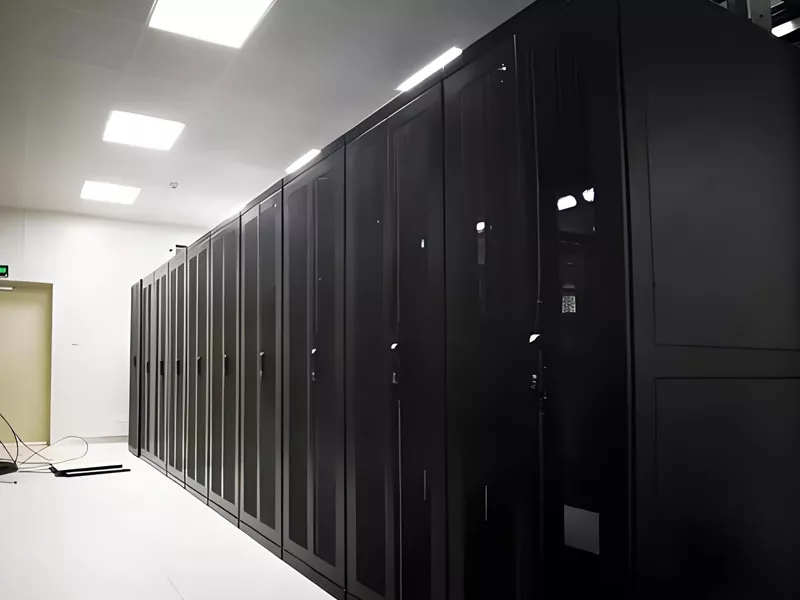
In terms of structural materials, the cabinets are generally made of high-quality cold-rolled steel (some high-end models use stainless steel or aluminum alloy). They undergo anti-corrosion and anti-oxidation spray treatment, with a thickness of up to 1.2-2.0mm. The static load-bearing capacity can reach up to 1200kg, which can evenly support the weight of multiple servers and prevent the equipment from deforming under long-term pressure. It meets the requirements for centralized deployment of heavy equipment. At the same time, the modular disassembly design allows for flexible removal of side panels and door panels. The square holes can be adjusted front and back, and in combination with dedicated cabinet connection components, multiple cabinets can be installed side by side, maximizing the utilization of the server room space. Whether it is the office server rooms of small and medium-sized enterprises or the cabinet arrays of large data centers, efficient deployment can be achieved.
II. Hierarchical collaborative design, optimization of the equipment operating environment, and improvement of operational stability
The core value of the network server cabinet lies in creating the most optimal environment for the coordinated operation of network equipment and servers. Through meticulous design, it addresses the pain points such as heat dissipation and interference in the operation of the equipment, ensuring the stable operation of the IT system 24/7.
In terms of heat dissipation design, the cabinet adopts a zoned cooling solution to address the power consumption differences between network equipment (with a single unit power consumption ranging from 10 to 50W) and servers (with a single unit power consumption ranging from 200 to 800W). This completely resolves the problem of overheating and system failure caused by excessive heat. The front door features a dense ventilation mesh with a ventilation rate of up to 75%, and is combined with variable-frequency fans on the top or rear to provide targeted and strong cooling for the server area. The network equipment area achieves natural cooling through ventilation holes on the side panel, which not only meets the high-temperature cooling requirements of the servers but also avoids energy waste caused by excessive cooling. Some high-end intelligent cabinets integrate temperature and humidity sensors and support intelligent temperature control. They can automatically adjust the fan speed according to the temperature of different areas, and in combination with the closed design of hot and cold channels, can reduce the cabinet energy consumption by 15% to 20%, while effectively extending the lifespan of the equipment.
In terms of cable management, the cabinet is equipped with a dual cable management system. The front cable management rack is used to organize network patch cords, while the rear cable trough is used to store server power cords and main network cables. The incoming cable port adopts an upper-lower partition design to achieve separation of strong and weak electricity, reducing electromagnetic interference and preventing cable entanglement and knotting. 123mm dedicated cable management channels are reserved on both sides, providing sufficient cable redundancy space, which is suitable for network topology adjustments and equipment expansion needs. At the same time, it is convenient for later cable maintenance, significantly reducing the workload of maintenance personnel.
In terms of layout design, the interior of the cabinet adopts a hierarchical and zoned planning approach. The upper part is reserved for installing network devices such as switches and routers (with a height of 1-5U), the middle part (10-30U) is used to deploy servers and storage devices, and the lower part (5-10U) is for placing UPS power supplies and PDU power distribution units. This design avoids physical interference among different devices, shortens the transmission distance of cables, reduces signal attenuation and energy consumption loss, and enables the integrated and coordinated operation of "network access - data computing - signal transmission".
3. Comprehensive security protection to safeguard equipment and data security and avoid operational risks
For enterprises, the security of IT equipment and data is of utmost importance. The network server cabinets are equipped with multiple protective measures to form a comprehensive security barrier, effectively preventing risks of equipment damage and data leakage.
In terms of physical protection, the cabinet is equipped with anti-theft door locks (some models support password, card swipe or intelligent biometric access control), which can effectively prevent unauthorized personnel from touching the core equipment. The door panels and side panels are designed with a sealed structure, combined with dust-proof nets, which can isolate the dust and moisture in the computer room, reducing the probability of equipment hardware failures. Some high protection grades (IP54 and above) models can be adapted to harsh industrial environments such as semi-outdoor and dusty conditions, resisting external impacts and erosion from harsh environments. At the same time, the professional grounding design can effectively release the static electricity of the equipment, avoiding damage to the equipment components due to static electricity.
In terms of electromagnetic protection, the side panels are made of electromagnetic shielding materials to reduce the leakage of network equipment signals and external electromagnetic interference, meeting the usage requirements of fields with high information confidentiality demands such as finance and government affairs. Some shielded cabinets, through special structural design, can effectively block strong electromagnetic interference, ensuring the stability of equipment signal transmission and data security.
In terms of intelligent protection, high-end intelligent cabinets integrate modules such as current and voltage monitoring, cable link monitoring, etc. They can monitor the operating parameters of the equipment and the stability of cable connections in real time, support remote alarms and fault location. In case of any abnormal situation, they can immediately alert the maintenance personnel for handling, minimizing the loss of faults. Some models can also be combined with the data center monitoring system to record device access logs, achieving full-process security control.
4. Intelligent operation and maintenance upgrade, reducing management costs and enhancing management efficiency
With the increase in the number of IT equipment, the operation and maintenance pressure of the computer room is growing day by day. By upgrading the network server cabinets with intelligence, the operation and maintenance process can be simplified and efficiency improved, helping enterprises reduce labor and management costs.
The intelligent network server cabinet integrates a remote management system. Maintenance personnel can remotely monitor the temperature and humidity, equipment operation status, power parameters, etc. inside the cabinet using computers or mobile phones. Without the need for on-site值守, they can complete equipment inspections and status checks, significantly reducing labor costs. At the same time, the addition of an intelligent access control system and remote alarm function enables rapid response to faults, reducing the fault handling time to the minute level, thereby improving maintenance efficiency.
For large data centers or multi-computer room scenarios, the cabinets support cluster management, enabling unified monitoring and scheduling of multiple cabinets. The operation and maintenance personnel can promptly grasp the operating status of all cabinets, optimize resource allocation, and avoid resource waste. Moreover, the standardized and modular design of the cabinets makes it more convenient to add or remove equipment and replace cables, increasing the operation and maintenance efficiency by over 40%. At the same time, it reduces the operational difficulty for the operation and maintenance personnel and minimizes the risks caused by human operational errors.
5. Scene-based Adaptability, Covering All Industry Demands and Demonstrating Diverse Values
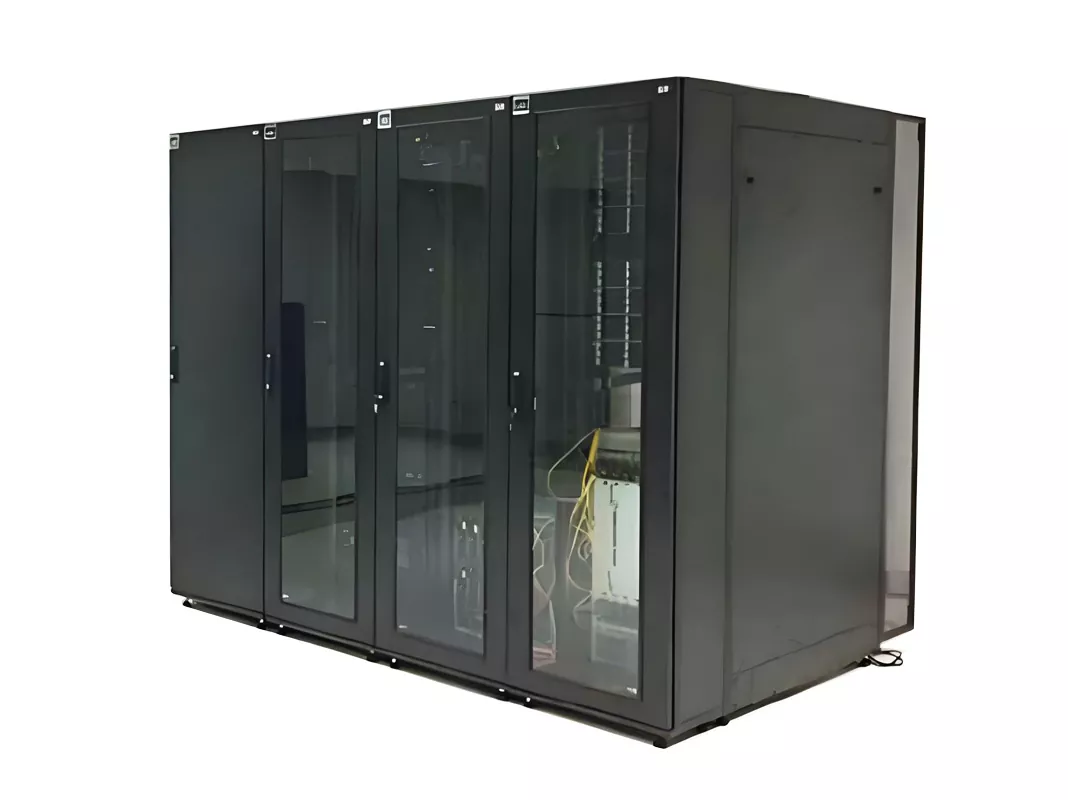
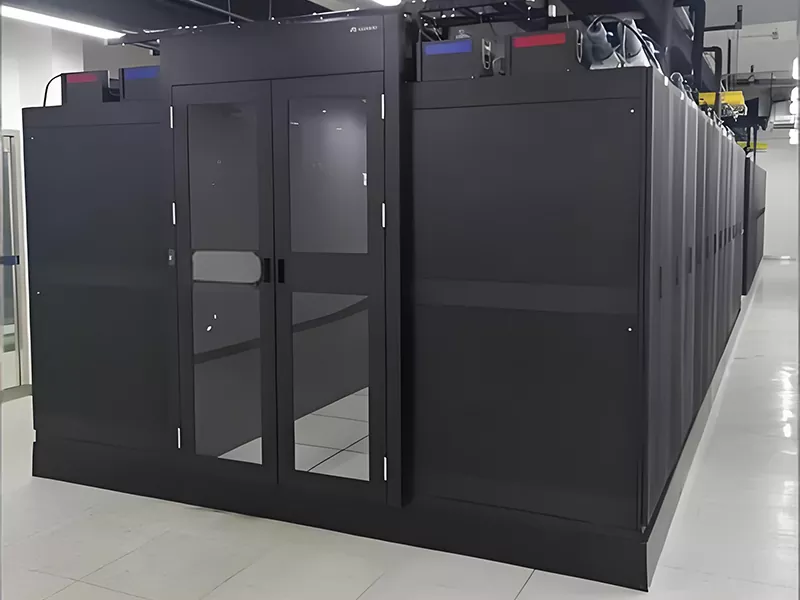
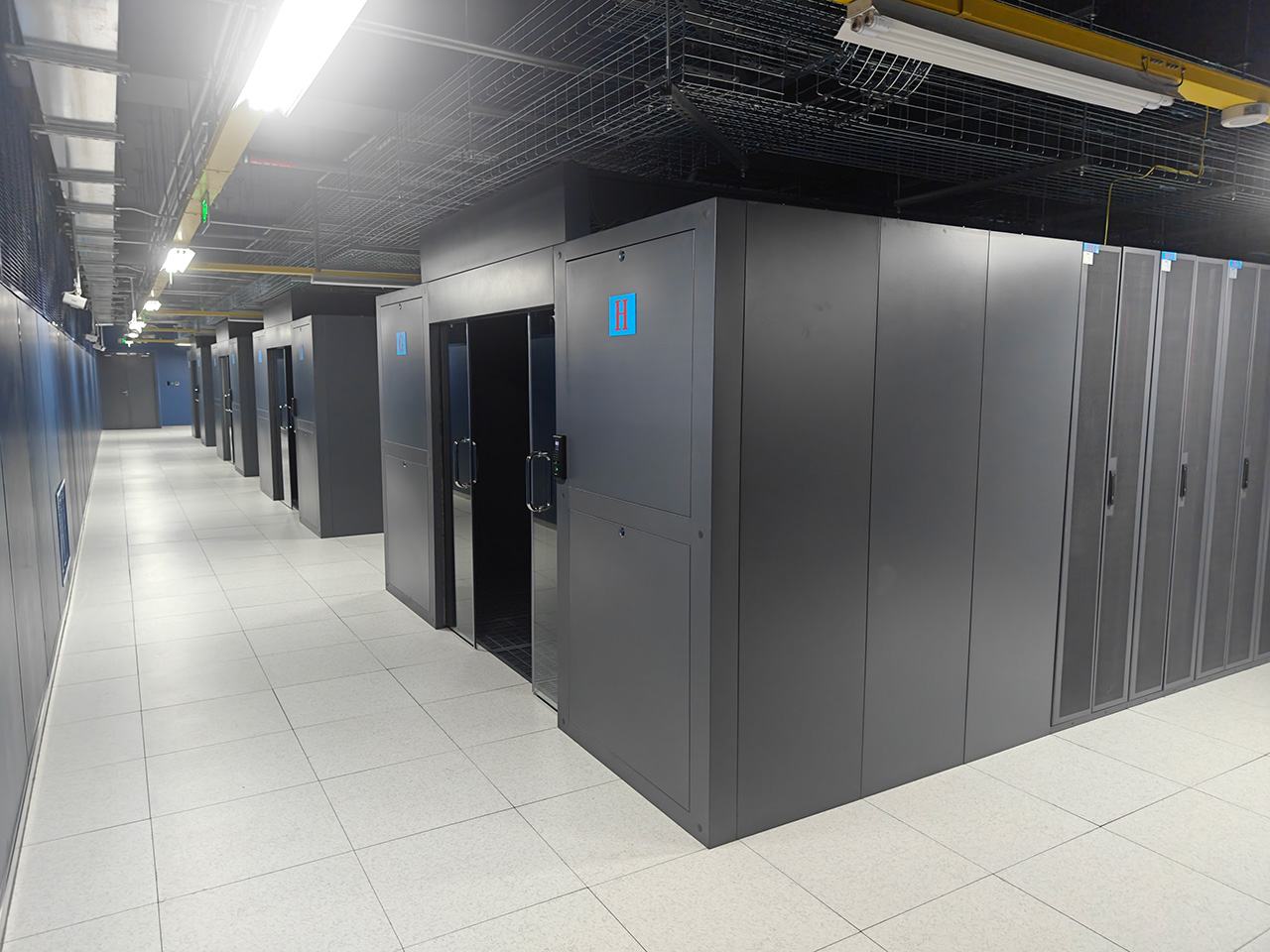
The network server cabinet is not a standardized product of a one-size-fits-all design. Instead, it has evolved into various specialized types based on the needs of different industries and scenarios, highlighting diverse values. The standard type cabinet has outstanding cost-effectiveness and is suitable for small and medium-sized enterprise data centers. It can accommodate 10-20 servers and 3-5 network devices. It is the most mainstream choice. The deepened type cabinet has ample space and is suitable for long-body blade servers and high-density network equipment clusters, and is suitable for large enterprises or edge nodes of data centers. The micro-module cabinet integrates the cabinet, UPS power distribution, precision air conditioning, and fire protection module, enabling rapid deployment and is suitable for edge computing nodes, distributed data centers, or rapidly expanding small and medium-sized enterprises. The outdoor type cabinet is made of stainless steel and has a protection level of IP66 or above, suitable for harsh environments such as outdoors and coastal areas, and meets the deployment requirements of communication base stations and outdoor computing nodes.
From enterprise office computer rooms to large data centers, from edge computing nodes to outdoor communication base stations, from finance, government affairs to healthcare and industry, network server cabinets, with their scene-specific adaptability, provide stable and efficient infrastructure support for the digital transformation of various industries, and have become an indispensable important component of digital infrastructure.
In conclusion, the advantages of network server cabinets lie not only in their standardized structural design and comprehensive security protection, but also in the optimization of the equipment operating environment, the improvement of operation and maintenance efficiency, and the adaptability to all scenarios. Under the digitalization trend, it is no longer merely a "device container", but a "core foundation" that empowers enterprises to operate efficiently, reduces management costs, and ensures data security. Choosing a high-quality network server cabinet is to lay a solid foundation for the digital transformation of enterprises, achieving stable, efficient, and sustainable operation of the IT system.
Related News
- Can Intelligent Console of Dispatching Center Improve Emergency Response?
- Why Modular Computer Room Cabinet Is Evolving for AI Data Centers
- The Quiet Workhorse of Critical Infrastructure: Why Monitoring Console Hardware Deserves Its Own Upgrade Cycle
- Will Tomorrow's Monitoring Console Be Voice-Activated and Predictive Instead of Just Displaying Numbers?
- Advantages of modular computer rooms
- Key Functions of Operation Consoles
Leave me a message